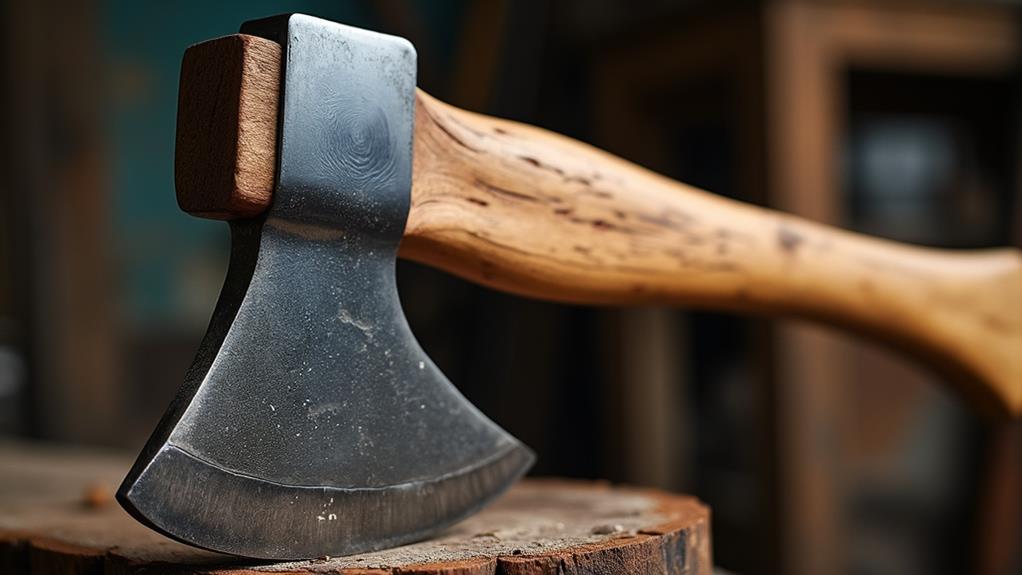
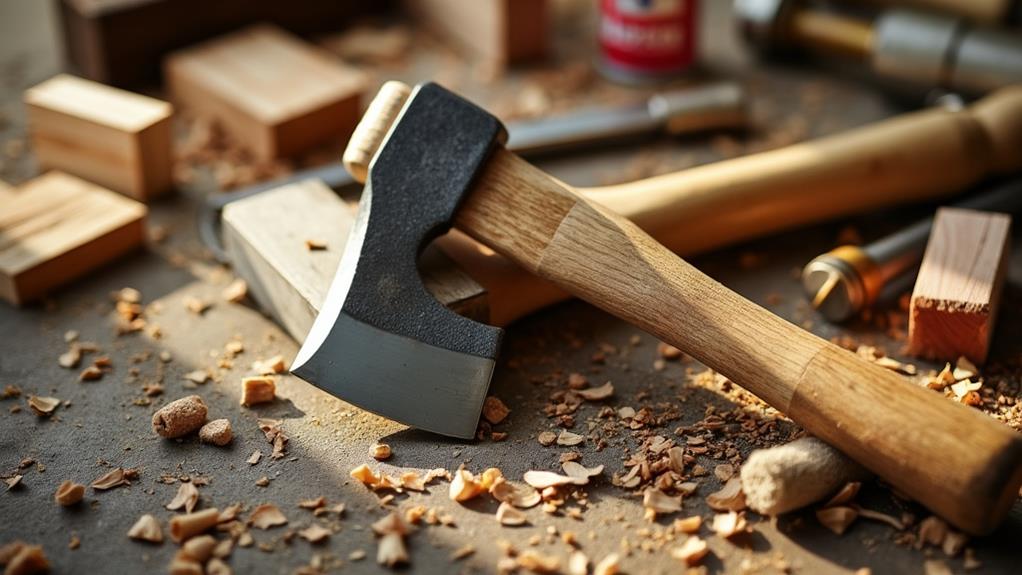
How to Choose the Right Axe Head Material
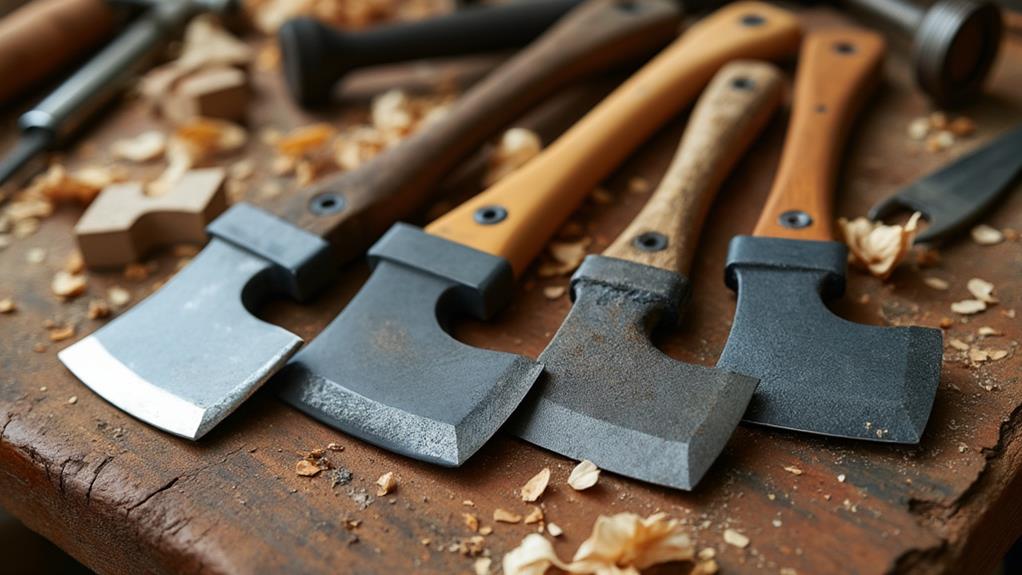
Choosing the right axe head material requires careful consideration of several factors, including durability, edge retention, and rust resistance. High carbon steel is a popular choice for heavy-duty tasks due to its hardness and ability to maintain a sharp edge, though it requires more maintenance to prevent rust.
Stainless steel, on the other hand, offers superior rust resistance but may not retain its edge as well. Forged steel provides a good balance of strength and versatility. Additionally, it's important to consider how the material's weight and balance interact with the handle for optimal performance.
Types of Axe Heads
When choosing an axe head, it's important to understand the distinct characteristics and benefits of each type to select the right tool for your needs. A high-quality axe head is crucial for effective performance and durability.
One common type is the single-bitted axe head, which is popular for felling and chopping tasks. Its design allows for a powerful, focused strike, making it ideal for cutting down trees or splitting logs. In contrast, double-bitted axe heads feature two cutting edges, offering versatility for multiple tasks without needing several tools. This type is advantageous when different edge profiles are required for various types of woodwork.
Material also plays a significant role. Forged steel heads are often preferred because the forging process strengthens the steel, resulting in a more durable and resilient tool. High carbon steel, used by brands like Gransfors Bruks and Snow and Nealley, is known for its durability and excellent edge retention. Stainless steel, while rust-resistant and easy to maintain, may not hold an edge as well, making it less suitable for heavy-duty tasks.
Steel Quality and Composition
Understanding the quality and composition of an axe head is essential for selecting a tool that meets your specific requirements. High carbon steel is often favored for high-quality axe heads due to its superior hardness and edge retention. A carbon content ranging from 0.5% to 1% in the steel strikes an optimal balance between toughness and sharpness, making it suitable for various tasks.
The durability of an axe head is significantly enhanced through heat treatment processes such as tempering and quenching. These methods reduce the risk of chipping and breaking, ensuring the axe withstands rigorous use.
Although stainless steel offers rust resistance, it generally lacks the hardness and edge retention of high carbon steel, making it less suitable for heavy-duty applications. A well-forged design is another critical factor in an axe head's performance. The forging process aligns the steel's grain structure, resulting in a more resilient and robust tool. Choosing an axe with a forged design is an investment in strength and long-term reliability. Consider these factors to ensure your axe head delivers the performance and durability you need.
Weight and Balance
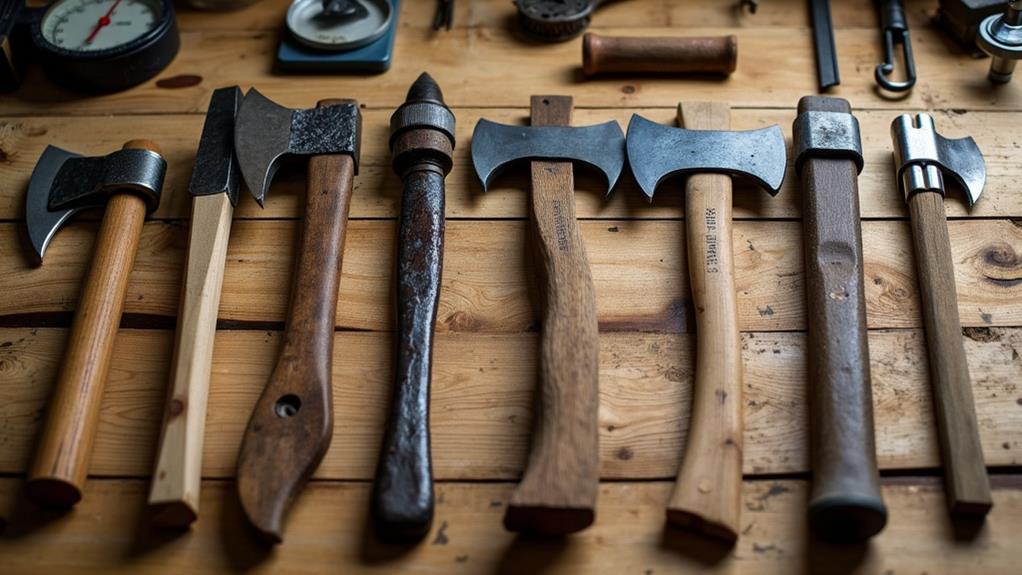
Choosing the right weight and balance for your axe head can significantly impact its performance. The weight of the head greatly influences the striking power of your axes and hatchets. Heavier heads deliver more penetrating force, which is advantageous for tasks like splitting logs. However, if the head is too heavy, it can compromise your accuracy and control. For general use, it's recommended that the weight of an axe head not exceed five pounds. This balance ensures you maintain control and precision during use.
If you're a beginner, start with lighter axe heads, around 2 to 3 pounds. This will help you build skill and confidence before progressing to heavier options. Remember, heavier doesn't always mean better; it's about finding a balance that works for you.
Shorter handles often provide better accuracy and balance, while longer handles increase leverage but may reduce control. An ideal handle length for an average six-foot male is approximately 31 inches. This length enhances both control and comfort when swinging. Ensure you match the weight and handle length to your specific needs for optimal performance.
Handle Compatibility
Ensuring the compatibility of an axe head with its handle is crucial for both safety and efficiency. When selecting or replacing a handle, it's essential to match it with the axe head's weight and design. For example, a splitting axe requires a handle made from strong and flexible materials like hickory or ash to withstand the force of splitting wood.
To ensure proper compatibility, always choose a handle that fits snugly into the eye of the axe head. A loose fit can be hazardous, potentially causing the head to detach during use. Additionally, the handle length should be suited to your height and the axe head's weight, providing better leverage and control for more efficient and comfortable swings.
Inspect the grain of the handle, ensuring it runs parallel to the axe head. This orientation maximizes strength and minimizes the risk of the handle breaking under pressure. Attention to these details ensures that your tool is both safe and effective for its intended tasks.
Maintenance and Longevity
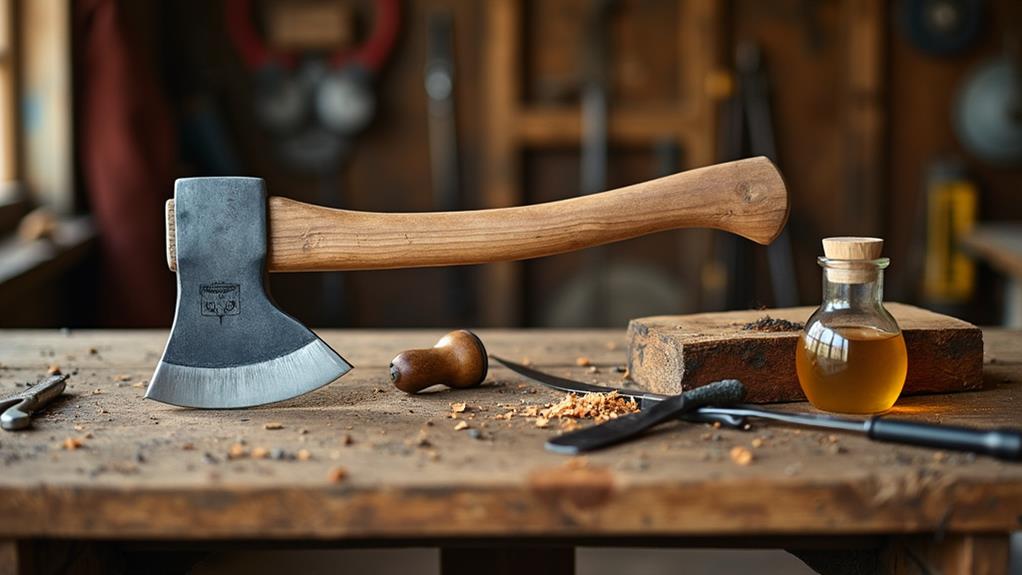
Proper maintenance and care are essential to guarantee your axe head remains sharp and durable. Regular tasks include sharpening the blade and cleaning it after each use, which preserves cutting efficiency and prevents rust.
High carbon steel is an excellent choice for an axe head due to its durability and edge retention, requiring less frequent sharpening compared to other materials. To further ensure the longevity of your axe, store it in a dry environment and apply a thin layer of oil to the blade to prevent moisture damage and rust formation.
Regularly inspect the axe head for signs of wear, such as chips or cracks, and address these issues promptly to avoid more significant damage. Choosing an axe head with a proper finish, such as a non-varnished surface, can also be advantageous as it improves grip during use and reduces maintenance frequency.
Conclusion
Choosing the right axe head material depends on understanding your specific needs. High carbon steel is ideal for heavy-duty tasks due to its superior hardness and edge retention. If rust resistance is crucial, stainless steel is a good option, though it may not hold an edge as well. Forged steel offers a balance of strength and versatility. The best axe for you will align with your intended tasks and maintenance preferences.