How to Build Your Own Tiny Home: A Step-by-Step Guide
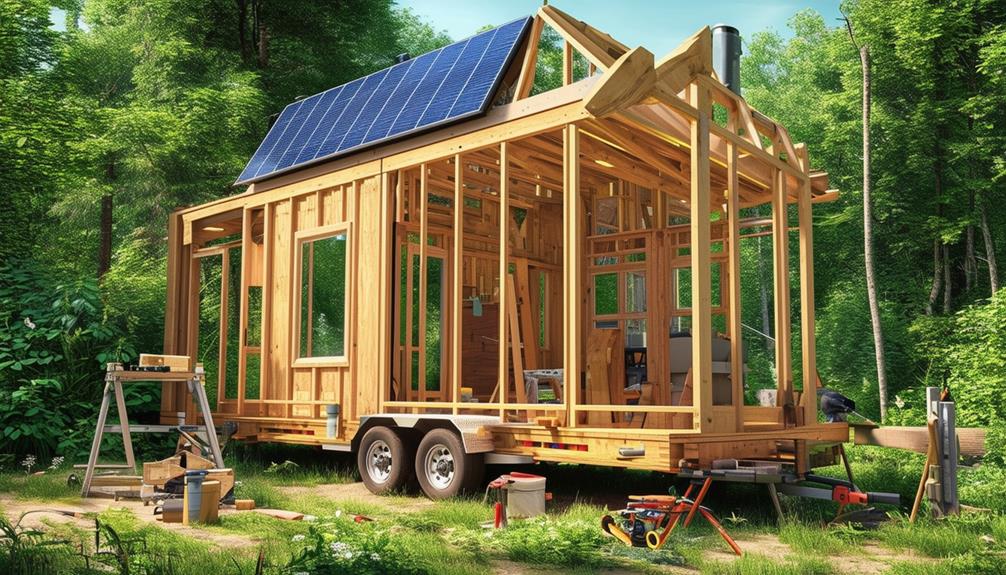
Embarking on the journey of building your own tiny home can be both rewarding and challenging. With a well-organized plan, you can navigate the process smoothly. Start by setting a realistic budget and exploring financing options, whether you prefer custom designs or prefabricated solutions. Choosing a layout that maximizes space and natural light is crucial. As you gather eco-friendly materials, compare prices from various vendors to secure the best deals. Interested in the next steps of the building phase and how to efficiently set up utilities? Let's break it down step-by-step.
Planning Your Tiny Home
Before constructing your tiny home, start by determining your budget to cover total building costs, land expenses, and permits. A well-planned budget is crucial for a smooth building process. Decide whether you want a custom or prefab tiny home. Custom plans can cost upwards of $150,000, while prefab kits range from $4,000 to $10,000. Understanding these costs will help you align your budget with your vision.
Next, consider how you'll finance your tiny home. Securing financing upfront can prevent headaches later. Include contractor bids in your total cost estimate to avoid surprises. With a clear understanding of your financial landscape, you'll be better prepared to make informed decisions.
When planning the layout of your tiny home, focus on maximizing space efficiency and functionality. Consider your daily activities and how to best accommodate them in a compact space. Efficient layouts can make a tiny home feel much larger and more comfortable.
Don't forget to explore luxury finishes that fit within your budget. High-quality finishes can enhance the look and feel of your tiny home, making it a cozy and stylish retreat. By carefully planning each aspect, you can build a tiny home that perfectly suits your needs.
Setting a Budget
Setting a budget for your small home construction is crucial to avoid overspending and ensure project completion. Start by determining the total cost, which includes both construction and land expenses. The average small home costs around $150 per square foot, inclusive of necessary permits.
Consider your design preferences. Custom floor plans can exceed $150,000, while prefab kits are more economical, ranging from $4,000 to $10,000. Don't forget to incorporate contractor proposals into your total cost estimate. If you opt for luxurious finishes, make sure to include those in your budget.
Secure financing before you begin to ensure you have the necessary funds throughout the project. Proper financial planning is vital, as unexpected expenses can arise. Assess your savings, explore different financing options, and choose the best fit for your situation.
Always have a contingency fund. Set aside a portion of your budget for unforeseen costs to avoid financial strain. With careful planning and a well-thought-out budget, you'll be on your way to building the small home of your dreams.
Financing Options
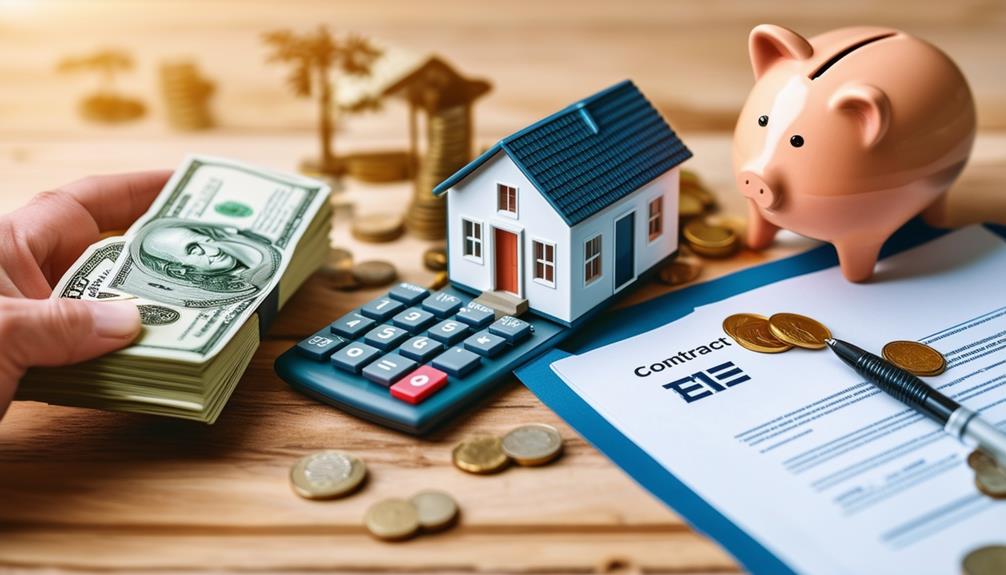
When financing your small dwelling, it's essential to explore various options like personal savings, loans, and crowdfunding to determine what best suits your needs. Begin by evaluating personal savings, as using your own funds can help you avoid interest rates and debt. If personal savings are insufficient, consider diverse financing alternatives such as construction loans, which are specifically designed for building projects and can cover costs from start to finish.
Personal loans or RV loans may offer more flexible terms and are another viable option. Additionally, peer-to-peer lending platforms connect you with individual investors willing to fund your project, often at better interest rates compared to traditional banks.
Crowdfunding is also a popular method for financing small dwellings. Platforms like GoFundMe or Kickstarter enable you to raise contributions from a large number of people. Don't overlook grants, particularly those aimed at eco-friendly or sustainable construction, as some organizations offer grants that can significantly reduce your financial burden.
Your choice among these financing options will depend on various factors, including your credit score, income, and the total cost of your small dwelling project. Research different lenders, interest rates, and repayment terms to find the best fit for your needs.
Choosing a Floor Plan
When choosing a floor plan for your tiny home, decide between custom and prefab options. Prioritize space optimization to ensure every square inch is functional. Also, consider layouts that fit within your budget.
Custom Vs. Prefab Plans
Choosing between custom and prefab floor plans for your tiny home depends on your budget, timeline, and design preferences. If you envision a unique tiny house tailored to your lifestyle, custom plans offer the flexibility to design every detail according to your taste. However, this level of personalization comes at a high cost, often exceeding $150,000.
Alternatively, prefab tiny house kits are a more budget-friendly option, generally costing between $4,000 and $10,000. These pre-designed plans are cost-effective and convenient, streamlining the building process. While prefab kits may not offer the same level of customization as custom plans, they still provide a solid foundation for a functional and stylish home.
When deciding between custom and prefab plans, consider your financial constraints, the urgency of your project, and the degree of design control you desire. Both options have their advantages, so carefully evaluate these factors to determine the best path for your tiny house journey.
Space Optimization Tips
After choosing between custom and prefab plans for your tiny home, the next step is to focus on space optimization to maximize your floor plan's utility. Start by selecting multifunctional furniture, such as a sofa that converts into a bed or a dining table that doubles as a workspace. These pieces not only save space but also add versatility to your home.
Storage solutions are crucial. Built-in shelves, under-stair storage, and hidden compartments can help you utilize every inch of your tiny home efficiently. Opt for floor plans that seamlessly integrate these features to keep your living space uncluttered and functional.
Natural light is essential for making a small space feel larger and more inviting. Choose a floor plan with strategically placed windows and openings to enhance light and ventilation. This not only improves the ambiance but also makes the space more pleasant and practical for everyday living.
Budget-Friendly Layouts
Finding an affordable layout is crucial to making your small home project financially sustainable without compromising functionality. You can choose between prefab floor plans and custom designs. Prefab options typically range from $4,000 to $10,000, making them a budget-friendly choice. Custom floor plans, on the other hand, start at around $150,000, offering more customization but at a significantly higher cost.
To stay within your construction budget, a cost-effective layout is essential. The average building cost for small houses is approximately $150 per square foot, including permits and other necessary expenses. By exploring various floor plans, you can find one that meets both your needs and budget.
Consider the building materials you'll use as well. Economical materials can help reduce costs, but ensure they are durable and suitable for your local climate. Prefab floor plans often come with recommended materials, simplifying your decision. Ultimately, a well-chosen, budget-friendly layout can make your dream of building a small home a reality without breaking the bank.
Gathering Materials
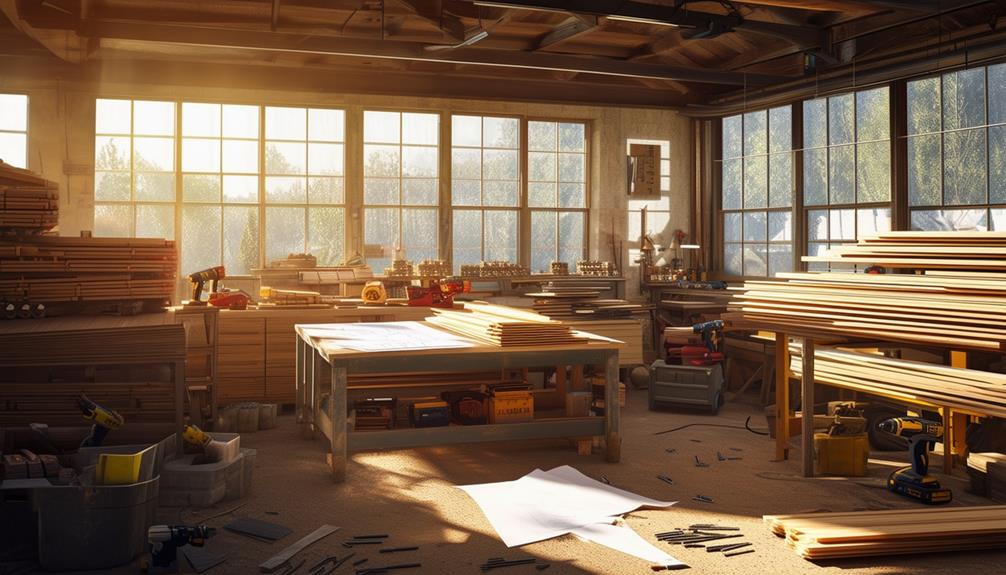
When gathering materials for your tiny home, start by creating a detailed list, including lumber, insulation, plumbing fixtures, and electrical components. Research and compare prices from various suppliers to ensure you're getting quality materials at the best rates. Coordinate delivery to streamline your building process.
Sourcing Quality Materials
To ensure your tiny home is built to last, start by thoroughly researching and listing all necessary materials, from lumber to fixtures. Choosing the right materials is crucial, and opting for eco-friendly options can reduce your environmental footprint while saving money in the long run. Sustainable lumber and recycled insulation are excellent choices.
Here's a handy table to help you organize your materials:
| Material Type | Eco-Friendly Option | Notes |
|---|---|---|
| Lumber | FSC-certified wood | Durable and sustainable |
| Insulation | Recycled denim or wool | Excellent for energy efficiency |
| Roofing | Metal roofing | Long-lasting and recyclable |
| Fixtures | Low-flow faucets and LED lights | Saves water and electricity |
| Flooring | Bamboo or reclaimed wood | Eco-friendly and stylish |
Comparing Price Options
Comparing prices from various suppliers is crucial to securing the best deals on materials for your tiny home. Start by researching a wide range of sources, including local hardware stores, specialty suppliers, and online platforms. This comprehensive approach will help you identify the most cost-effective options for your project.
Don't ignore the potential savings from bulk discounts or sales. Buying materials in larger quantities can significantly lower costs, so keep an eye out for opportunities that fit your budget. Compile a detailed list of all required materials along with their estimated costs to monitor expenses and make informed buying decisions.
Opt for materials that are both sustainable and durable. While these may have a higher initial cost, they can save you money over time by minimizing maintenance and replacement expenses. Exploring different suppliers will expose you to a variety of price points, allowing you to select the most economical options without sacrificing quality.
Preparing for Delivery
As you prepare for delivery, ensure you have a comprehensive list of all construction materials needed for your tiny home build. Such preparation is crucial to avoid any last-minute issues. Start by comparing prices for both interior and exterior materials, as well as final details. If you're building a mobile tiny home, consider investing in a quality trailer that matches your design.
Here are some essential items to gather:
- Base materials: Timber, cement blocks, or a steel trailer.
- Framework supplies: Wood, nails, and braces.
- External coatings: Siding, roofing supplies, and insulation.
- Internal necessities: Gypsum board, flooring, and cabinets.
Kits may include many of these materials, but double-check to ensure everything you need is included. Don't underestimate the importance of a four-foot level to confirm your base or trailer is perfectly level before you start building. Careful preparation can save you time, money, and stress in the long run. With all your materials ready, you'll be set to embark on the exciting journey of constructing your own tiny home.
Building the Structure
Constructing the framework of your tiny home begins with framing the walls, roof, and floor using quality materials for long-lasting durability. It's vital to have a general overview of the steps involved when you start to build a tiny house. Begin by assembling the floor frame, ensuring it's level and securely fastened to the foundation or trailer. Next, raise the wall frames one piece at a time, securing them with braces to keep them upright. Use treated lumber and strong connectors to ensure the structure withstands the test of time.
Once the walls are up, move on to the roof. Install roof trusses or rafters, paying close attention to angles and support. This will provide the necessary structure for your chosen roofing material, whether it's metal, shingles, or another option. Proper insulation between the studs, rafters, and floor joists is critical for energy efficiency.
Incorporate windows and skylights into your design to optimize natural light and ventilation, making your tiny home feel more spacious. With the basic structure in place, you can then customize the interior layout and finishes to suit your preferences and lifestyle.
Installing Utilities
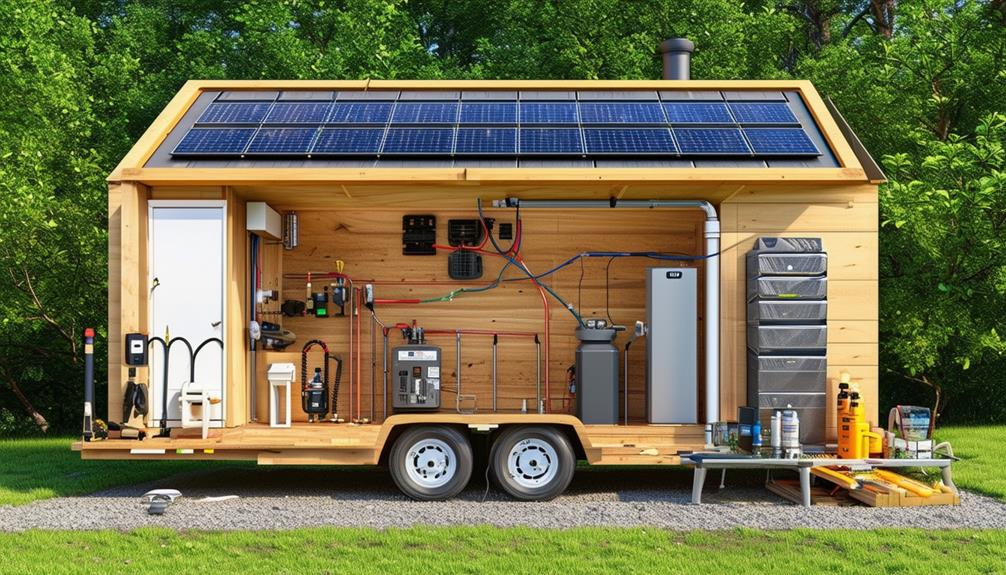
To ensure your tiny home is both functional and comfortable, you'll need to set up essential utilities such as electrical wiring, plumbing, and ventilation systems. Begin by designing your tiny house layout to efficiently integrate these systems without compromising valuable space.
Electrical Connections
Install power outlets and lighting fixtures throughout the home. Consider alternative energy sources like solar panels to reduce reliance on traditional power grids. This environmentally friendly option can also save you money in the long run.
Plumbing Arrangements
Install water supply lines and drainage for sinks, showers, and toilets. Opt for compact and efficient plumbing solutions to provide all the amenities of a full-sized home without taking up too much space.
Ventilation Systems
Proper ventilation is crucial for maintaining good air quality and regulating temperature. Install vents and potentially a small HVAC system to keep your tiny home comfortable year-round.
Space Planning
Ensure that the integration of utilities does not compromise your design. Efficient space planning is key to maintaining both functionality and comfort.
Progress Checklist:
- Electrical Connections: Install outlets, lighting, and consider solar panels.
- Plumbing Arrangements: Set up water supply, drainage, and bathroom fixtures.
- Ventilation Systems: Ensure proper airflow and temperature control.
- Space Planning: Integrate utilities seamlessly into the design.
Final Touches
Now that your utilities are in place, it's time to focus on the final touches that will make your tiny home uniquely yours. Begin by selecting furniture that maximizes space without compromising on comfort. Opt for multi-functional pieces like a sofa bed or a fold-out table.
Personalize your tiny home with decor elements such as artwork, textiles, and plants to create a cozy atmosphere. Consider incorporating smart storage solutions to keep your space organized and clutter-free. Think about built-in shelves, under-bed storage, and wall-mounted racks. Upgrading your appliances and technology can also enhance functionality and convenience. Pay attention to details like trim work, window treatments, and flooring choices to complete the overall look.
Here's a quick guide to help you prioritize your final touches:
| Task | Details | Tips |
|---|---|---|
| Furniture Selection | Multi-functional, space-saving pieces | Sofa bed, fold-out table |
| Personal Decor | Artwork, textiles, plants | Create a cozy atmosphere |
| Storage Solutions | Built-in shelves, under-bed storage | Optimize space, reduce clutter |
| Appliance Upgrades | Modern, efficient appliances | Improve functionality |
| Detailing | Trim work, window treatments, flooring | Complete the overall look |
These final touches not only enhance the aesthetic appeal of your tiny home but also contribute to its overall functionality and livability.