Houston’s Suburban Escape Projects: Off-Grid Garage Studios
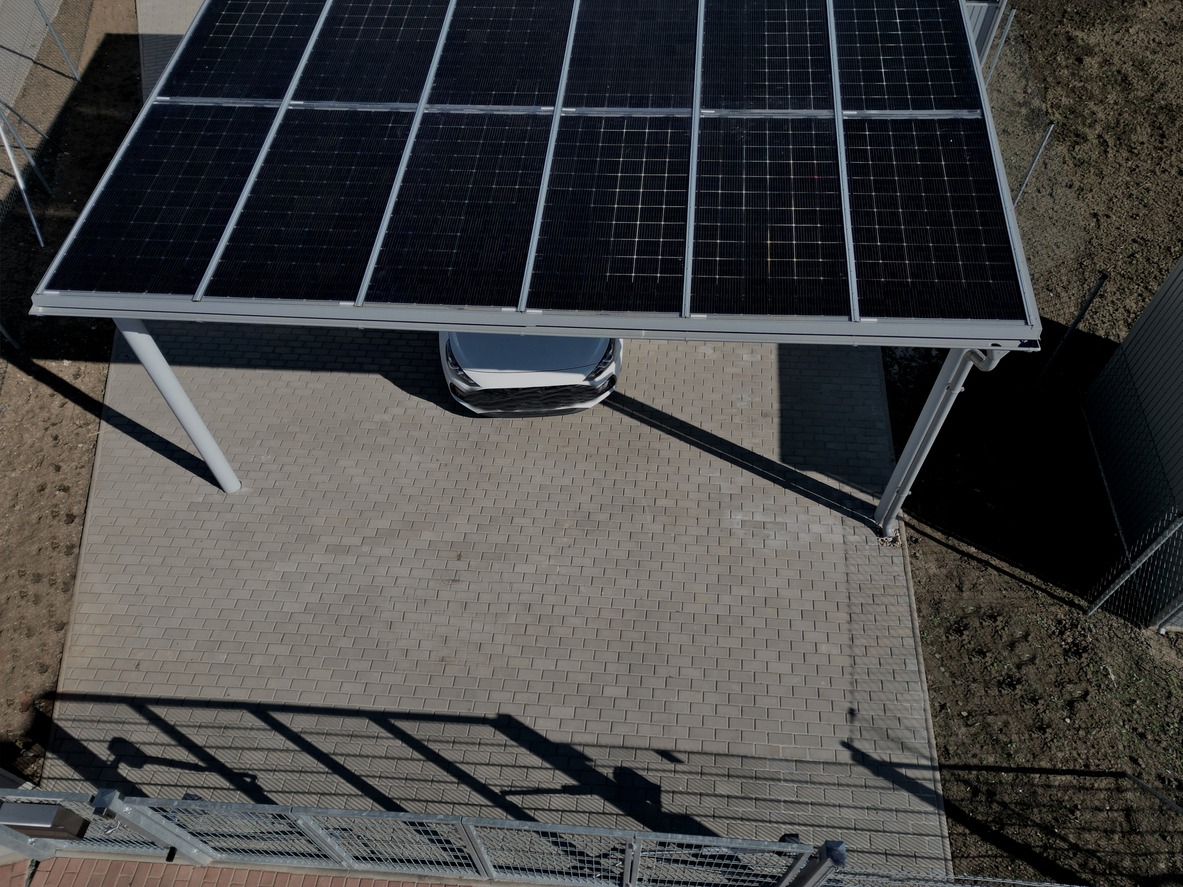
In Houston's sprawling suburbs, you'll find a growing trend that combines sustainability with personal space: off-grid garage studios. These backyard havens offer you independence from the main power grid while creating a versatile retreat just steps from your home. Whether you're seeking a quiet workspace, a creative studio, or simply a place to weather the next major storm, these solar-powered sanctuaries represent a practical investment in both property value and peace of mind. The question is—are you ready to join this suburban revolution?
The Rise of Energy-Independent Backyard Spaces in Houston
As Houston homeowners increasingly seek refuge from grid vulnerabilities, backyard studios powered by renewable energy have surged in popularity across the city. The trend is clear: residential solar activity has expanded significantly since 2017, with thousands of local addresses obtaining photovoltaic permits. Notably, adoption spans a range of neighborhoods, including Alief, Southwest Houston, and South Acres.
The city supports solar with streamlined guidelines and resources that can make your shift to energy independence smoother. Houston’s long-term climate and energy goals— including large local solar commitments by mid-century—signal strong community engagement behind renewable adoption.
You'll find interest accelerated after the 2021 winter storm, when permitting and inquiries rose notably compared to prior years. As extreme weather events become more common, these off-grid spaces offer both workspace solutions and peace of mind.
Solar Power Systems: Designing for Texas Heat and Efficiency
While solar panels thrive on sunshine, Houston's intense summer heat presents unique challenges for off-grid studio installations. When temperatures exceed 100°F, photovoltaic performance can dip, reducing efficiency precisely when you need power most.
Implement proven heat-mitigation strategies by ensuring proper airflow beneath panels and selecting high-temperature-tolerant modules designed for Gulf Coast conditions. Consider microinverters or power optimizers to minimize system-wide impacts when individual panels overheat. Experience in Texas heat waves shows that solid design and ventilation help systems produce reliably even in extreme weather.
You'll maximize efficiency by optimizing panel orientation for Houston's sun path and incorporating battery storage to balance production with evening demand. Don't overlook complementary approaches like reflective roofing materials and strategic shading around your studio. Regular maintenance, including cleaning dust that compounds heat issues, will help your system deliver reliable power throughout Houston's scorching summers.
Prefabricated Options vs. DIY Studio Builds
Deciding between prefabricated solutions and building your off-grid studio from scratch is one of the most significant choices you'll make after establishing your power system. Prefab options offer speed—installation often takes days rather than the weeks or months a DIY project can require. They’re usually cost-competitive and manufactured under controlled conditions, ensuring consistent quality.
However, you'll face customization constraints with prefabs, especially with simpler models. Wood modular garages provide greater aesthetic flexibility than steel ones, though they require more maintenance against moisture and pests. Modern modular garages are essentially a kit of key components built off-site and quickly assembled on your property.
While DIY builds grant design freedom and potential savings by reducing contractor labor, they demand skill to avoid long-term maintenance issues from poor construction. Unexpected permit needs can also add hidden expenses to both approaches.
Battery Storage Solutions for Continuous Power Supply
View this post on Instagram
The foundation of any reliable off-grid garage studio lies in its battery storage system, which determines whether your creative space thrives or struggles during periods without direct solar generation. Deep-cycle batteries—particularly LiFePO4 models—offer superior performance compared to traditional lead-acid options, requiring less maintenance while providing greater efficiency.
When designing your battery bank, size it according to daily energy needs rather than overbuilding. You'll want to implement redundancy by using modular components that can scale as needed. The EG4 LifePower4 V2 is a popular example known for long cycle life at typical depths of discharge, making it suitable for sustainable power solutions. A quality Battery Management System (BMS) is essential—it protects your investment by preventing overcharging and balancing cell voltages.
For maximum safety, consider a dedicated, ventilated location for batteries—especially if using lead-acid units that can emit hydrogen gas during charging cycles.
Transforming Garages Into Multi-Purpose Creative Havens
Converting an underutilized garage into a vibrant, multi-functional creative studio offers endless possibilities for artists, photographers, and makers seeking dedicated space for their craft. You'll maximize functionality with Murphy beds and fold-away furniture, creating flexible work-from-home options that adapt to changing needs.
Consider replacing garage doors with wall-to-window conversions to flood your space with natural light. Creating a vaulted ceiling can make your studio feel significantly more spacious despite limited square footage. Wood flooring provides both aesthetic appeal and practicality for photo studios, while mini-split HVAC systems keep you comfortable year-round.
Custom cabinetry and built-ins optimize limited square footage, while adding a deck creates year-round recreational space that extends your creative haven outdoors. With proper planning, your garage transformation can be completed in two to three months, resulting in an Instagrammable space that serves multiple purposes—from workspace to guest quarters.
Navigating Houston's Permits and Regulations for Accessory Structures
Before starting your garage studio conversion in Houston, you'll need to navigate permits and building codes that ensure safety and compliance. Accessory structures require detailed submissions to the Houston Permitting Center, including site plans, structural details, and energy considerations.
Your studio must respect building lines, utility easements, and typical side-yard clearances; additional agreements can be required if you build near a property line. Requirements for size and placement depend on building code limits, lot coverage, and fire-separation rules rather than traditional citywide zoning caps. Many homeowners target studio footprints in the 500–600 sq ft range to balance function and review thresholds.
If you're including a kitchen and bathroom, your structure may qualify as an Accessory Dwelling Unit (ADU), triggering additional standards for egress, habitability, and utility connections.
Keep your permit documents on-site until you receive final approval from inspectors.
Environmental Benefits and Property Value Enhancement
While transforming your garage into an off-grid studio requires initial investment, the environmental benefits and potential property value boost often justify the effort. A solar-powered studio cuts greenhouse-gas emissions by reducing reliance on fossil-fuel electricity, while avoiding some transmission losses from centralized power.
These systems can support resilience during Houston’s severe weather, allowing you to maintain essential operations when the main grid fails. DIY communities and channels offer valuable tutorials and real-world demonstrations for similar projects. Panels can also shade roof surfaces, mitigating heat-gain and reducing cooling demand.
Beyond environmental advantages, homes with solar and storage frequently sell at a premium. Your property gains distinctiveness in competitive markets, especially as buyers increasingly value resilience features and sustainability—making your off-grid garage studio both an eco-friendly choice and a smart financial investment.