Designing Yards Where Fruit Trees and Aesthetics Meet
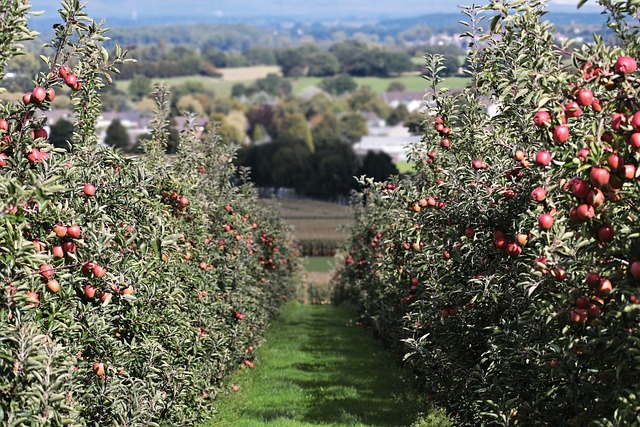
Today, gardens and yards are designed to be both useful and nice to look at. This is because outdoor areas have become an extension of the home. There are many options for homes, but adding fruit trees to the garden is one of the few that can combine beauty with function. Aside from providing fresh, homemade food, fruit trees also add to the beauty of a yard, making them a great choice for anyone wanting to improve their outdoor space.
This dual purpose—producing fruit and elevating aesthetic appeal—has made fruit trees increasingly popular among British homeowners. Yet, many are unsure how to strike the right balance between practicality and visual harmony. With thoughtful planning and expert guidance, it's entirely possible to design a garden that serves as both a productive orchard and a visually stunning retreat.
A nursery specialist at Fruit-Trees.com notes, “The key is to start with a clear vision of what you want to achieve. Whether it's a modern minimalist yard or a traditional cottage garden, you can buy fruit trees which can be incorporated in a way that complements the overall design. Choosing the right varieties and understanding their growth patterns are essential steps to ensuring both functionality and beauty.”
The Role of Fruit Trees in Garden Design
Fruit trees have long been valued for their practicality. However, beyond their edible yield, these trees possess characteristics that can significantly enhance the visual appeal of any outdoor space. Their blossoms in spring, lush foliage in summer, and rich autumnal hues provide year-round interest.
For instance, the delicate pink and white flowers of apple and cherry trees can rival ornamental blooms, while the vibrant orange and yellow leaves of a quince or pear tree in autumn can add a stunning burst of colour. The architectural structure of fruit trees, whether they are neatly espaliered against a wall or left to grow naturally, introduces texture and dimension to the garden.
Gardeners and designers increasingly appreciate fruit trees for their ability to serve as focal points, framing elements, or living screens. When strategically placed, they can create natural partitions, offering privacy or defining different zones within the yard. This versatility makes fruit trees a valuable tool in crafting outdoor spaces that are as functional as they are beautiful.
Selecting the Right Fruit Trees for Your Garden
One of the first steps in integrating fruit trees into a yard design is selecting the right varieties. Factors such as climate, soil type, and available space will play a significant role in determining which trees will thrive in a given environment.
In the UK, certain fruit trees such as apples, pears, and plums are well-suited to the temperate climate. These trees are hardy and can withstand varying weather conditions, making them a reliable choice for many gardens. However, those with smaller spaces may want to consider dwarf or semi-dwarf varieties, which offer the same benefits as their larger counterparts but require less room to grow.
Another consideration is the desired aesthetic. Some fruit trees, like espaliered apples or fan-trained peaches, lend themselves well to formal garden designs, with their carefully managed shapes adding a touch of sophistication. On the other hand, more naturally shaped trees, such as a sprawling cherry or fig, can enhance a more relaxed, cottage-style garden.
For homeowners with a keen eye for design, choosing trees with ornamental value in mind is essential. Crabapple trees, for example, not only produce small, decorative fruits but also boast stunning spring blossoms. Similarly, medlar trees offer unique, sculptural forms and unusual fruit that can be a conversation starter in any garden.
Positioning for Maximum Impact
Once the appropriate fruit trees have been selected, their placement within the yard becomes crucial. The positioning of trees will affect both their aesthetic impact and their productivity.
In terms of visual appeal, fruit trees can be used to draw the eye towards particular areas of the garden. Placing a blossoming tree at the end of a pathway, for example, can create a striking focal point, while a line of espaliered trees along a fence can add structure and symmetry.
For those with smaller gardens, vertical planting techniques such as espaliering or growing fruit trees in containers can help maximize space without compromising on visual appeal. Containers, in particular, offer flexibility, allowing homeowners to move their trees to different locations as needed to maintain balance in the garden's design.
From a practical standpoint, fruit trees should be positioned to receive adequate sunlight, as this is essential for healthy growth and fruit production. Most fruit trees require at least six hours of direct sunlight per day, so choosing a location that provides ample light is critical. Additionally, trees should be planted in well-draining soil to prevent waterlogging, which can lead to root rot.
Balancing Beauty and Maintenance
While the addition of fruit trees can greatly enhance a garden's aesthetic and functional value, it is important to consider the maintenance required to keep them in optimal condition. Regular pruning, fertilizing, and monitoring for pests and diseases are essential tasks that ensure both the health of the trees and their continued visual appeal.
Pruning, in particular, plays a vital role in shaping the trees and maintaining their structure. For espaliered or fan-trained trees, this practice is essential to preserving their formal appearance. Even for naturally shaped trees, strategic pruning helps to encourage better airflow and light penetration, which are critical for fruit production.
The right approach to maintenance will depend on the specific varieties of fruit trees chosen. Some trees, such as figs and cherries, are relatively low-maintenance, requiring minimal intervention. Others, like apples and pears, may need more regular care, particularly if they are susceptible to certain pests or diseases.
Incorporating Complementary Plantings
To further enhance the aesthetic appeal of a yard that features fruit trees, many gardeners choose to incorporate complementary plantings. Underplanting fruit trees with ground covers, herbs, or low-growing perennials can create a lush, layered look that adds depth and interest to the garden.
For example, lavender, thyme, or creeping rosemary can be planted beneath fruit trees to form a fragrant, low-maintenance ground cover. These plants not only add beauty but also attract pollinators, which are essential for the successful pollination of many fruit trees.
In larger gardens, mixing fruit trees with ornamental shrubs or flowering plants can create a more dynamic and varied landscape. The contrast between the soft, billowy flowers of hydrangeas and the structured form of a fruit tree, for instance, can make for a visually striking combination.
A Long-Term Investment
Designing a yard where fruit trees and aesthetics meet is not just about immediate gratification; it's a long-term investment that can pay dividends in terms of both beauty and bounty. As fruit trees mature, they become more established and produce larger yields, offering homeowners the opportunity to enjoy fresh, homegrown fruit for years to come.
Moreover, a well-designed garden that incorporates fruit trees can increase the overall value of a property. Many prospective buyers are drawn to homes with established gardens, particularly those that feature productive and visually appealing plants.
For those considering adding fruit trees to their gardens, it's worth taking the time to research and plan carefully. Working with a specialist or consulting with a local nursery can provide valuable insights into which trees will best suit a particular space and how to care for them.
Sourcing Quality Fruit Trees
When it comes time to buy fruit trees, sourcing from a reputable nursery is essential to ensuring the health and quality of the trees. High-quality trees are more likely to thrive and produce abundant fruit, making them a worthwhile investment for any garden.
Ultimately, the integration of fruit trees into yard design offers a unique way to combine practicality with beauty. Whether you're looking to create a peaceful retreat, a productive orchard, or a visually stunning outdoor space, fruit trees provide endless possibilities for enhancing your garden's appeal. With careful planning and a little creativity, your yard can become a harmonious blend of form and function, where nature's bounty and artistry meet.