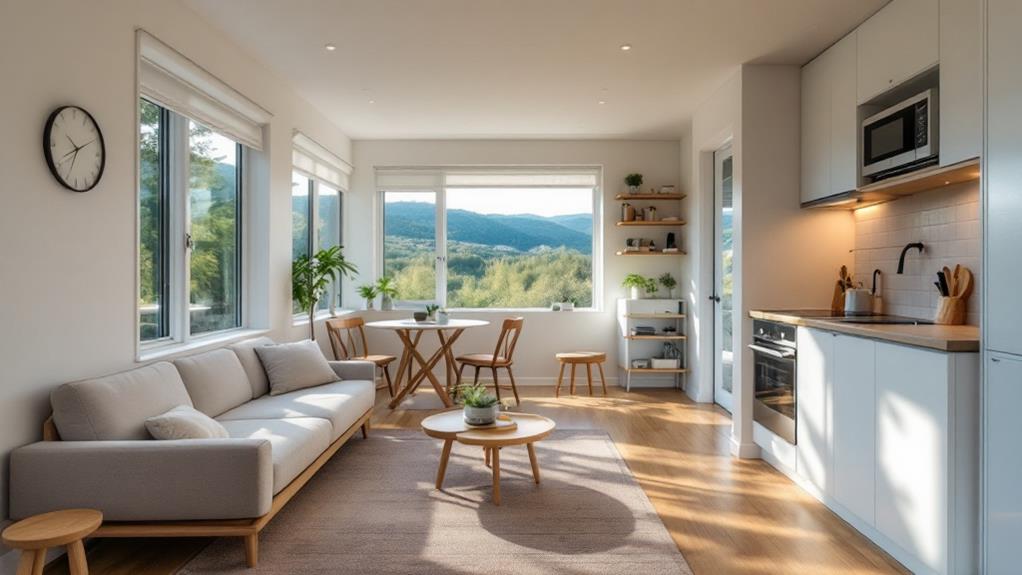
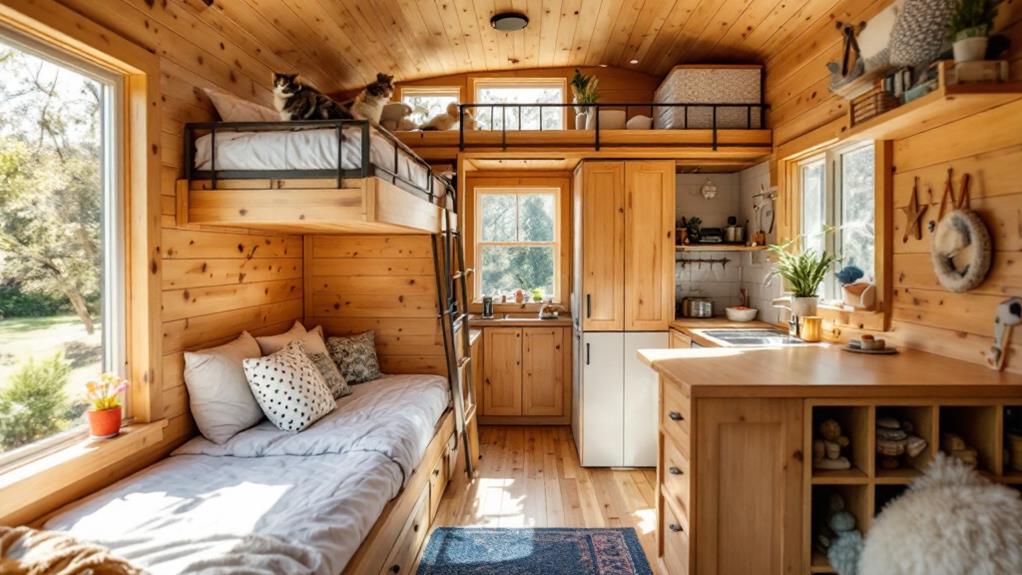
Designing the Perfect Tiny Home: Tips and Ideas
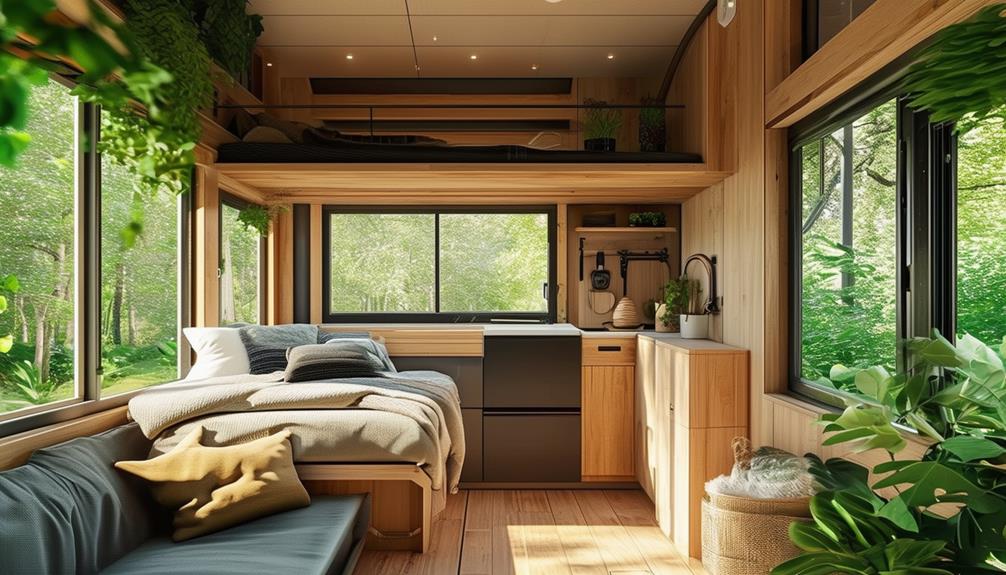
Designing the perfect tiny home requires striking a balance between functionality and comfort. Begin by evaluating how each space will be used and explore innovative storage solutions and multifunctional furniture to maximize every square inch. Simplifying design and conducting basic tests can enhance your plans. Utilize design apps and create detailed floor plans to visualize your ideas effectively. Ready to transform these concepts into a practical, efficient living space? Let's explore the key steps and resources to bring your tiny home to life.
Importance of Tiny House Design
Designing a small home with meticulous attention to detail is essential for optimizing limited space and ensuring long-term satisfaction. In a compact living area, every square inch matters, and thoughtful design can significantly enhance both functionality and comfort. Careful planning is crucial to avoid common issues such as insufficient storage and cramped spaces.
Consider your daily needs when designing your small home. For example, a well-designed kitchen can transform cooking from a chore into an enjoyable activity. Innovative storage solutions can help maintain a tidy and functional living space. Additionally, multi-purpose furniture can save space while enhancing the overall environment.
A thoughtfully designed small house maximizes every available inch, turning potential design challenges into opportunities for creativity. Poor design choices can lead to frustration, so prioritizing smart space utilization is vital. Investing time in planning your layout will ensure that your small home is not only livable but also enjoyable. Proper design planning is key to making your small home a haven of efficiency and comfort, where every element serves a purpose.
Designing Process and Techniques
When planning your small home, start with the Post-It exercise to visualize how you'll use each space and determine your activity requirements. This method helps identify crucial areas and optimize space in your compact dwelling. For the best outcomes, develop a functional layout that prioritizes your specific needs.
One effective design technique is subtractive design, which involves removing unnecessary partitions and features to maximize openness. By focusing on downsizing, you can reduce clutter and make your small home feel more spacious. Another useful tip is to incorporate multi-purpose furniture to maximize storage space without compromising aesthetics.
Use low-fidelity testing, such as marking spaces with painter's tape, to see how your design ideas translate into real life. This approach allows you to adjust your layout before committing to construction. Adopting slow building techniques can also help refine your small house design over time, ensuring each decision is practical and functional.
Evaluation and Testing
Evaluation and Testing
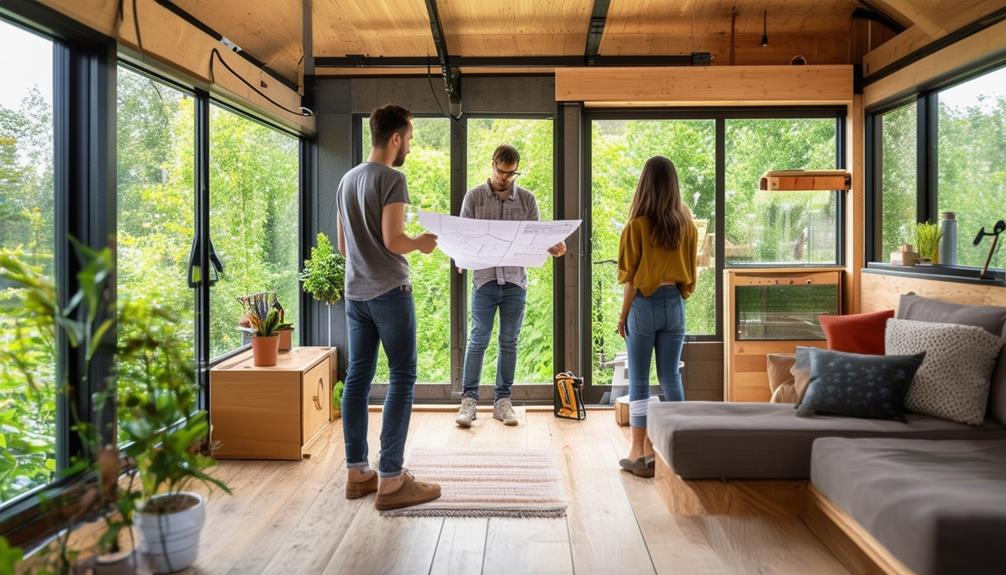
Once you've completed your tiny home layout, it's crucial to evaluate and test your design thoroughly. Start by using painter's tape to outline your design on the floor. This method allows you to visualize the layout and assess its functionality and practicality.
Invite family, friends, and experienced tiny house dwellers for feedback. Their insights can help identify design flaws and suggest practical improvements. Embrace this feedback as a crucial part of the evaluation process.
Pay attention to common design pitfalls such as neglecting downsizing and decluttering. Ensure every item has a designated place, and the space feels open and organized.
Use this table as a guide for your evaluation:
| Aspect | Action |
|---|---|
| Layout | Use painter's tape to visualize and test space allocation. |
| Functionality | Conduct real-world testing with daily activities in the taped layout. |
| Practicality | Seek feedback from others to evaluate ease of use and comfort. |
| Downsizing | Assess if each item is necessary and has a designated spot. |
| Decluttering | Ensure the design allows for a clean and organized environment. |
Tools and Resources
To streamline your small home design process, utilize specialized tools and resources tailored for this unique lifestyle. Small house design apps like SketchUp, Floorplanner, and HomeByMe offer user-friendly features for creating detailed floor plans and layouts. These tools are invaluable for visualizing how your floor space will look and function, ensuring efficient use of every square inch.
When designing a small house, various floor plans such as Gooseneck layouts, Skoolie floorplans, and A-Frame designs cater to different preferences and needs. These plans guide you through the fundamentals of small living, helping you create a comfortable and functional home.
Room-by-room design tips offer insights for optimizing spaces like the kitchen, sleeping loft, office, bathroom, and storage areas. These tips ensure each area is practical and stylish.
For in-depth guidance, the book 'Designing Your Tiny House' is an excellent resource, covering everything you need to know about planning and executing a small home design. Additionally, tools for budgeting, configuring weight plans for trailers, and exploring specific topics like electrical and plumbing design are essential for a comprehensive approach to small house living.
Space Optimization and Efficiency
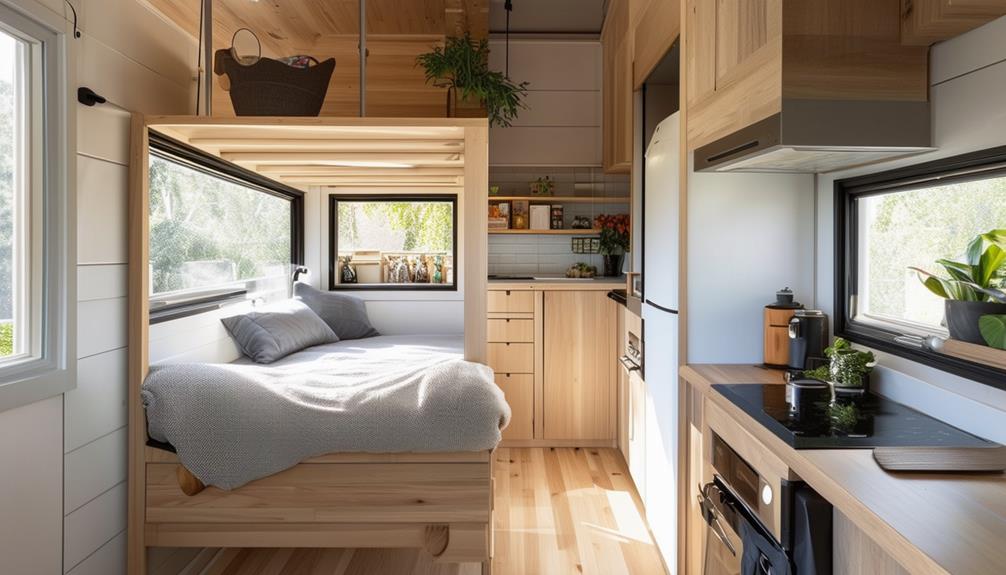
Maximize your small home's potential through smart space optimization and efficiency strategies. Start by incorporating fold-down furniture and wall storage solutions to ensure every square inch is effectively utilized, providing more room to breathe and move.
To enhance your small home experience, consider these tips:
- Plan Comfortable Walking Areas: Keep clutter below waist level and ensure pathways are clear. This facilitates ease of movement and makes the space feel less cramped.
- Utilize High Ceilings and Natural Light: High ceilings and ample windows can make your home feel larger and more open, while natural light creates a welcoming atmosphere.
- Design Multi-Functional Spaces: Create areas that serve multiple purposes, such as a dining table that doubles as a workspace or a bed with storage underneath.
- Use Flexible Space Dividers: Implement sliding walls or curtains for adaptable layouts, allowing you to create a versatile living environment that can adjust to your needs.