Choosing the Right Location for a Tiny Home
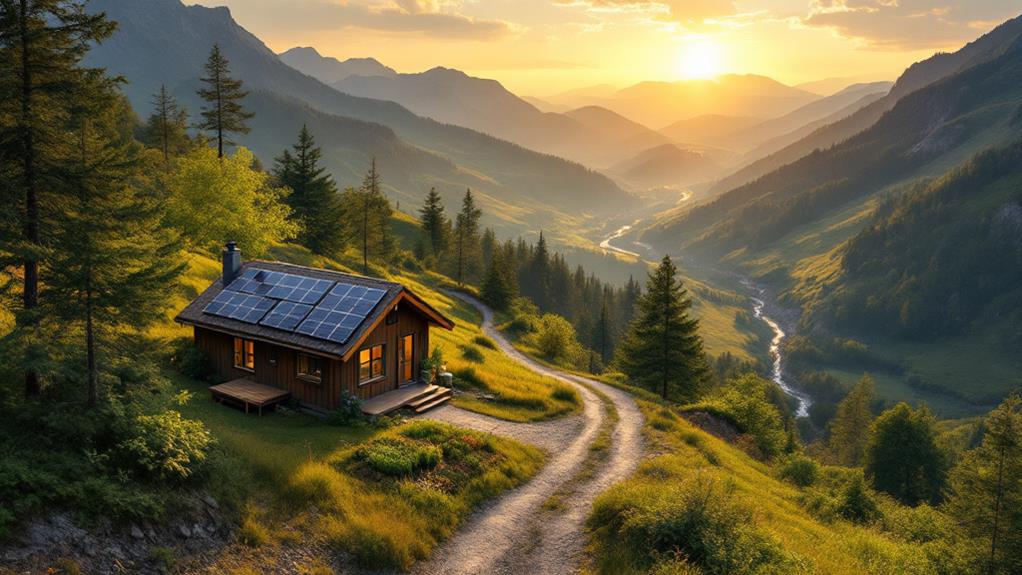
When choosing the right location for your tiny home, you'll need to traverse zoning laws, land requirements, and community factors. Start by researching local regulations to guarantee tiny homes are permitted. Assess the land's suitability, including utilities, natural hazards, and site preparation needs. Consider the community's acceptance and proximity to amenities. Don't forget to evaluate legal compliance, financing options, and potential for future expansion. Pay attention to environmental impact and engage with existing tiny home communities for meaningful observations. By meticulously weighing these factors, you'll be well-equipped to find the perfect spot for your miniature dwelling.
Understanding Zoning Laws
Many aspiring tiny homeowners overlook the critical importance of zoning laws when choosing a location. You'll need to thoroughly research local laws and regulations to ensure your tiny house is permitted in your desired area. Remember that zoning laws can vary significantly from one region to another, so what's allowed in one place may be prohibited elsewhere.
Some municipalities have minimum square footage requirements or restrict tiny houses as primary residences. If you encounter such obstacles, investigate alternatives like accessory dwelling units or temporary placements. It's essential to obtain the necessary permits and pass inspections to comply with building codes, which can differ for mobile and permanently-placed tiny houses.
To navigate the complex zoning landscape, consider joining local tiny house communities or organizations. They can provide valuable insights and help you identify tiny house-friendly locations. In some cases, you may need to apply for zoning variances or special permits. The process for obtaining these can vary depending on your local government's policies. Don't hesitate to contact your Department of Housing for guidance on specific rules and regulations in your area.
Assessing Land Requirements
When evaluating land requirements for your tiny home, you'll need to ponder several essential factors. First, consider the local zoning regulations that dictate minimum square footage for dwellings. While tiny homes are compact by nature, some areas require a minimum size that may exceed your plans.
Next, assess the actual space you'll need. Factor in not just the footprint of your tiny home but also any outdoor living areas, storage, or utilities you want to incorporate. Don't forget to account for setbacks from property lines and other structures.
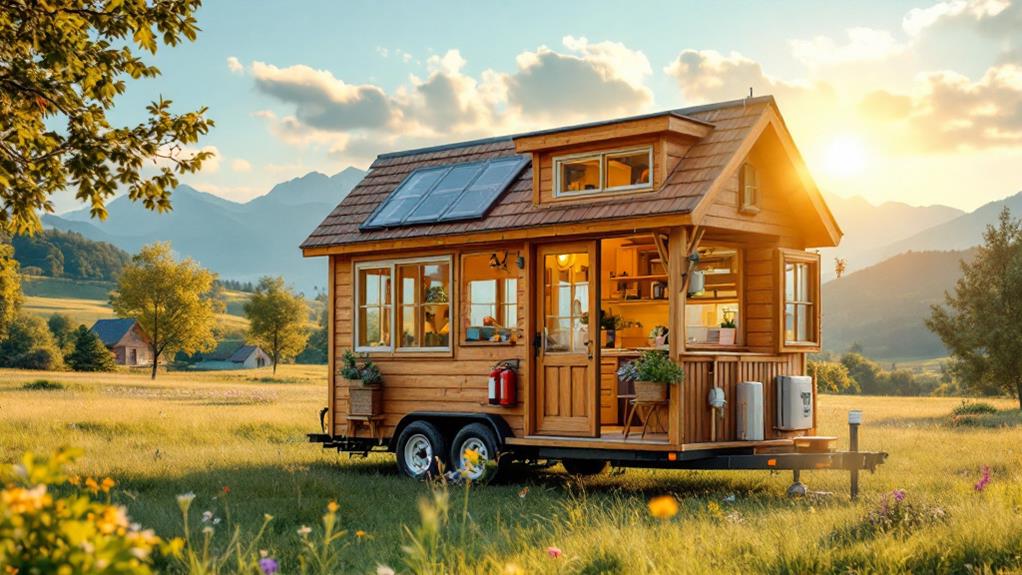
If you're planning to park a mobile tiny home, make sure you have a suitable place to park it legally. Some jurisdictions allow tiny homes as accessory dwelling units on existing properties, which could be an option if you're not looking to purchase land outright.
Water and sewage requirements are critical considerations. Determine if you'll need to connect to municipal services or if you'll require space for a well and septic system. Additionally, factor in access to electricity, whether through grid connection or off-grid solutions like solar panels.
Evaluating Natural Hazards

While choosing a location for your tiny home, it's crucial to evaluate potential natural hazards that could impact your safety and property. Start by appraising the risk of natural disasters like flooding, earthquakes, landslides, and wildfires in your chosen area. Analyze historical data and local geological reports to understand the site's vulnerabilities.
Ensure your tiny home's structural integrity and site preparation can withstand identified threats. Implement appropriate mitigation strategies based on the site's risk profile, such as:
- Installing flood barriers in flood-prone areas
- Reinforcing the structure for seismic activity in earthquake-prone regions
- Using fire-resistant materials in wildfire-susceptible locations
Don't forget to monitor weather forecasts and develop an emergency plan to protect your tiny home and its occupants during severe weather events. This plan should include evacuation routes, emergency supplies, and communication protocols.
Site Preparation Essentials
After evaluating potential natural hazards, you'll need to focus on preparing your chosen site for your tiny home. Proper site preparation is pivotal for guaranteeing your tiny home's stability and safety. Start by clearing and leveling the area, which provides a solid base for your foundation.
Next, you'll need to construct a suitable foundation based on local regulations and soil conditions. This could involve pouring a concrete slab or installing a pier system. Don't forget to obtain the necessary permits and schedule inspections throughout the process to comply with local requirements.
Installing utilities is another indispensable step in site preparation. You'll need to connect electricity, water, and sewer services according to local codes. Additionally, implement effective drainage systems and erosion control measures to protect your tiny home from water damage and maintain the site's integrity.
Utility Connections and Accessibility
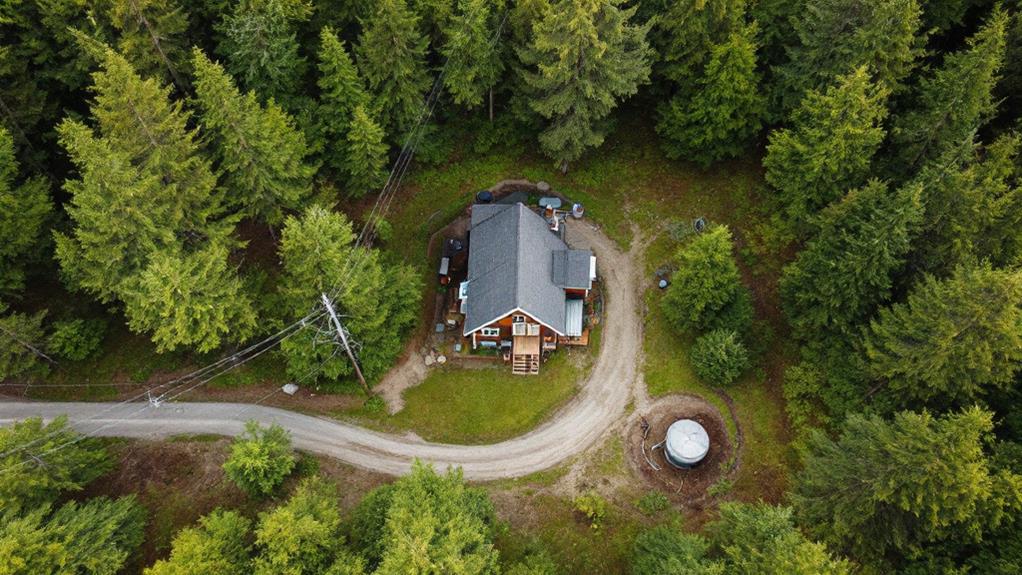
One of the most critical aspects of choosing a tiny home location is safeguarding reliable utility connections and accessibility. When you park your tiny home, you'll need to ponder the availability of essential services like electricity, water, and sewage disposal. Assess the site's topography and layout to determine the most efficient and cost-effective utility installation processes for your little house.
Before finalizing your location, investigate local regulations and building codes to understand specific requirements for utility hookups and connections. You'll also need to decide between connecting to the local utility grid or exploring off-grid renewable energy options. Weigh these factors when choosing your tiny home site:
- Ease of connecting to existing utilities
- Potential for implementing sustainable energy solutions
- Accessibility for delivery, setup, and future maintenance
Prioritize easy access to your tiny home's location on the property. This will not only make the initial setup smoother but also safeguard that you can easily maintain and service your little house in the future. By carefully pondering utility connections and accessibility, you'll create a more comfortable and sustainable living environment for your tiny home.
Environmental Impact Considerations
As you consider the environmental impact of your tiny home's location, it's crucial to prioritize sustainability and eco-friendliness. Tiny home living offers significant advantages in reducing your carbon footprint, with up to 45% less energy consumption compared to traditional homes. When building a tiny home, carefully choose a site that optimizes natural ventilation and daylighting to minimize reliance on mechanical systems.
The small footprint of your tiny home inherently preserves more natural habitat, but you can further reduce ecosystem disruption by selecting a location that requires minimal land disturbance. Consider incorporating renewable energy sources like solar panels or wind turbines to achieve net-zero energy status, maximizing the environmental benefits of tiny living.
Don't overlook wastewater management in your location choice. Implementing composting toilets and greywater systems can dramatically reduce freshwater demands and minimize pollution. By thoughtfully considering these environmental factors when selecting your tiny home's location, you'll not only create a more sustainable living space but also contribute to the preservation of the surrounding ecosystem. Seize the opportunity to make a positive impact through your tiny home's placement and design.
Community and Neighborhood Factors
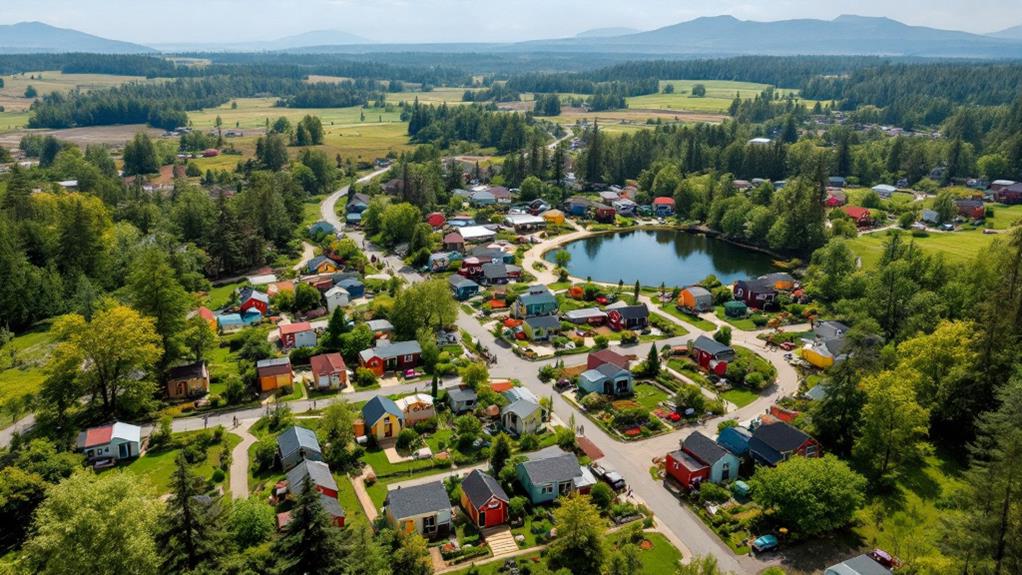
While environmental considerations are key, the social aspects of your tiny home's location are equally important. Before settling on a spot, research local zoning codes and HOA rules to guarantee tiny homes are permitted in your desired neighborhood. It's pivotal to assess the community's acceptance of tiny home living, as this will impact your social integration and overall experience.
When choosing a location, consider:
- Proximity to amenities and services
- Access to public transportation
- Alignment with the neighborhood's character and aesthetics
Engaging with existing tiny home owners in the area can provide insightful information into the challenges and benefits of living in the community. Their experiences can help you make an informed decision about whether the location is right for you.
If possible, look for established tiny home communities that offer a supportive environment for this lifestyle. These communities often have amenities personalized to tiny home living and can provide a sense of belonging. Remember, the right location will not only meet your practical needs but also nurture a sense of community and connection with your neighbors.
Legal and Regulatory Compliance
Before you decide on a location for your tiny home, it's crucial to traverse the intricate terrain of legal and regulatory compliance. Laws regarding tiny homes vary drastically from one place to another, so you'll need to research local zoning regulations, building codes, and land use restrictions. Some areas have embraced the tiny home movement and enacted specific ordinances to Allow Tiny houses, while others may classify them as recreational vehicles or accessory dwelling units.
Check if your chosen location permits permanent residency in a tiny home or if there are restrictions on how long you can park or live in one. You'll also need to consider utility connections, minimum square footage requirements, and foundation types allowed. Some municipalities may require your tiny home to be on a permanent foundation, while others might allow wheels.
Don't forget to investigate whether you can legally place your tiny home on a piece of land you own or if you need to find a designated tiny home community or RV park. Understanding these legal complexities will help you avoid potential conflicts and ensure your tiny home dream doesn't turn into a legal nightmare.
Financing and Insurance Options
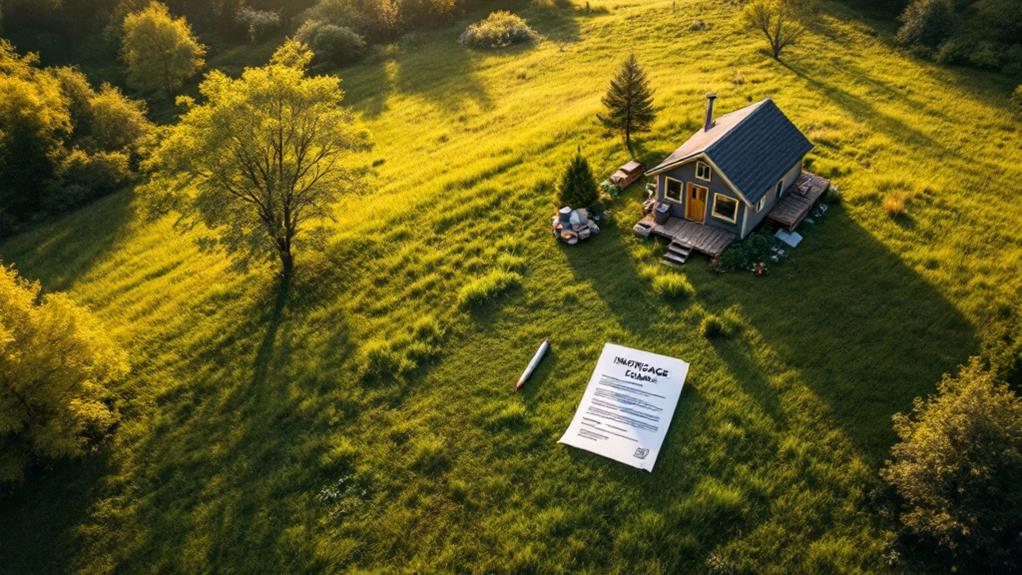
Financing and insuring a tiny home can be quite different from traditional housing options. When seeking financing, you'll likely face higher down payments, steeper interest rates, and shorter loan terms. Lenders often prefer permanent structures over mobile homes, so placing your tiny home on a fixed foundation may improve your chances of securing a loan. Be prepared for:
- High down payments of up to 50%
- Interest rates above standard mortgage rates
- Amortization terms up to 20 years
Insurance for tiny homes can be equally demanding. Many insurers don't offer coverage for non-traditional dwellings, so you'll need to research specialized tiny home insurance policies. The lack of standardized building codes and regulations for tiny homes further complicates the insurance process, requiring careful consideration of coverage options and potential limitations.
When financing and insuring your tiny home, it's essential to understand the unique challenges you'll face. Laws and regulations vary by location, so consider how local zoning and building codes may affect your options. By thoroughly researching financing and insurance options specific to tiny homes, you'll be better equipped to maneuver these intricacies and make informed decisions about placing your tiny home in the right location.
Future Growth and Expansion Possibilities
When considering the future growth and expansion possibilities for your tiny home, it's crucial to think beyond your immediate needs. Look into acquiring adjacent parcels or properties that could allow for future expansion or relocation of your tiny home. This foresight can provide you with essential options down the road.
Investigate the feasibility of adding accessory dwelling units (ADUs) or expanding your tiny home's footprint within local zoning regulations. These additions can accommodate changing family dynamics or provide extra space for various purposes. Additionally, research the potential for subdivision or creating a tiny home community on your land. This could offer flexibility for growth and developing living arrangements.
Don't forget to evaluate the long-term impact of planned developments or changes in the surrounding area that might affect your tiny home's placement. Confirm your tiny home's foundation and infrastructure can accommodate future modifications or additions to adapt to changing needs over time. By considering these factors, you'll be better prepared for potential expansion and growth opportunities, allowing your tiny home to transform with your lifestyle and needs.
Frequently Asked Questions
What Is the Best Location for a Tiny House?
You'll want to ponder several factors when selecting the best location for your tiny house. First, think about climate considerations to safeguard your home can withstand local weather patterns. Look for a spot that offers good community integration, allowing you to connect with neighbors and access local amenities. Don't forget about transportation access; you'll need easy ways to get around. Finally, guarantee utilities availability, so you've got electricity, water, and sewage connections for comfortable living.
What States Will Pay You to Build a Tiny House?
You'll find several states offering incentives to build tiny homes. Vermont, Wyoming, and Kansas provide tax credits or grants. Missouri's program offers $15,000 for low-income residents. Maine has property and sales tax exemptions, while Colorado provides grants up to $25,000 for rural communities. Washington offers a sales tax exemption on materials. When considering these tiny home incentive programs, remember to investigate tiny home zoning regulations and land ownership requirements in each state to guarantee compliance and optimize benefits.
Which State Is Most Tiny Home Friendly?
Texas is widely considered the most tiny home-friendly state. You'll find ideal climate conditions, especially in central and southern regions. The state's relaxed zoning regulations make it easier to place your tiny home. You'll also enjoy proximity to amenities in cities like Austin and Houston. Community acceptance is high, with numerous tiny home communities popping up. Texas's overall approach to property rights and land use makes it a top choice for tiny home enthusiasts seeking a welcoming environment.
How to Find Land for Your Tiny Home?
To find land for your tiny home, start by evaluating property zoning to verify it's legal to build. You'll want to assess utility access, considering options like off-grid solutions if necessary. Don't forget to factor in climate conditions that might affect your tiny home's design and placement. Review land prices in different areas to find a balance between your budget and desired location. Research online listings, consult with real estate agents, and investigate rural areas for potential opportunities.