Central Texas Outdoor Safety Tips for Hiking, Camping, and Nature Trips
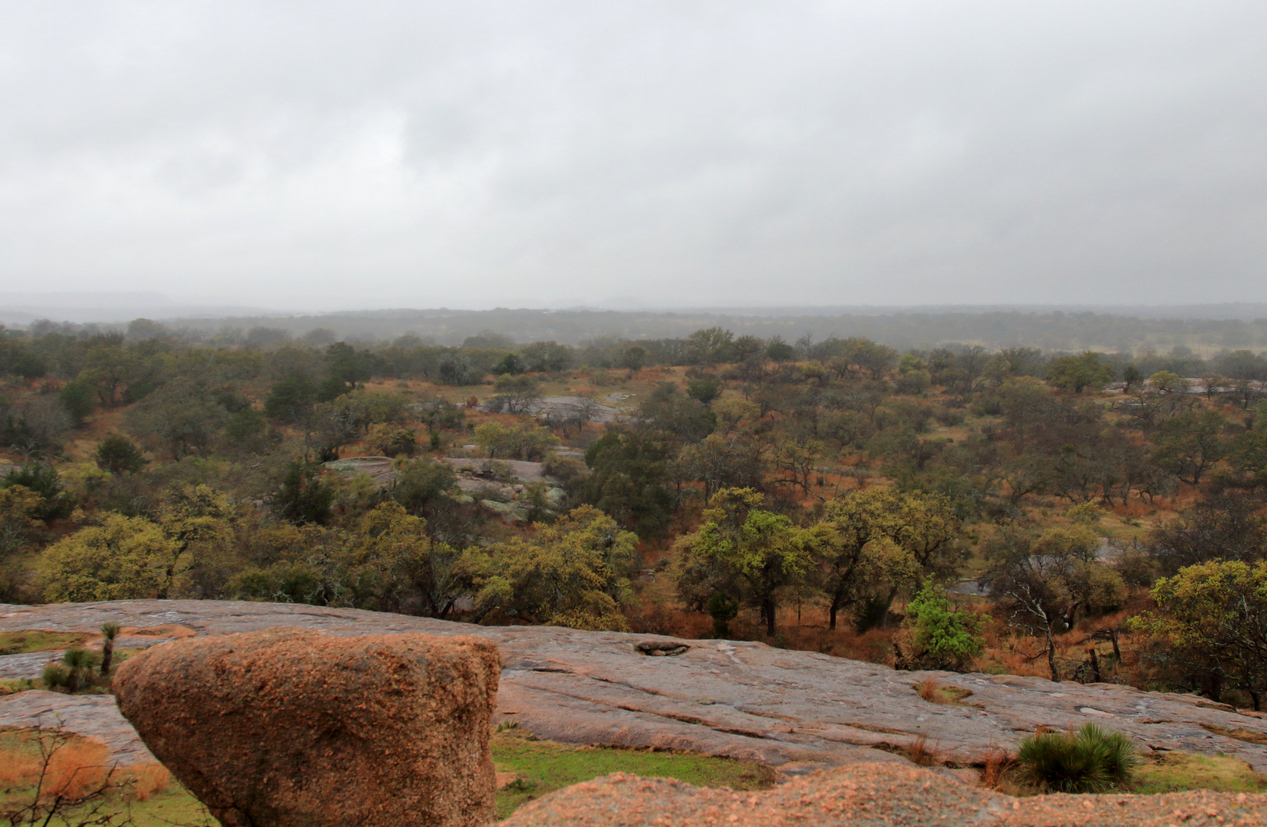
Central Texas offers beautiful places to hike, camp, paddle, and explore, but the region also requires real preparation. Heat, flash floods, rocky trails, sudden storms, limited shade, and unreliable cell service can turn a casual outing into a stressful situation quickly. Whether you are heading into the Hill Country, Bastrop’s Lost Pines, a state park, or a remote river area, the best self-sufficient outdoor plan starts before you leave home. Carry enough water, check the weather, know your route, tell someone where you are going, and treat wilderness skills as a backup—not a substitute for safe planning.
Know the Rule of Threes Before Heading Outdoors
The “Rule of Threes” is a simple way to remember outdoor survival priorities. In general, a person may survive about three minutes without air, three hours without protection in harsh weather, three days without water, and three weeks without food. The point is not to test those limits. It is to help you decide what matters first in an emergency. In Central Texas, your most urgent risks are often heat, dehydration, flash flooding, injury, and getting lost. Shelter from sun exposure may matter more than building a wilderness structure. Shade, water, rest, and a clear plan can prevent a problem from becoming an emergency. Texas Parks & Wildlife recommends drinking 16 ounces of water per hour in the heat and 32 ounces per hour during strenuous activity, along with wearing light, breathable clothing, sunscreen, a hat, and proper walking shoes. Practice these methods during day hikes to build confidence before depending on them deep in Hill Country wilderness.
Build Emergency Shelter Only When You Truly Need It
View this post on Instagram
Most Central Texas hikers are better served by carrying basic emergency protection rather than relying on improvised shelters. For day hikes and short camping trips, pack:
- A lightweight emergency blanket
- A rain poncho
- A sun hat
- A compact tarp or bivy sack
- A whistle
- A headlamp
- Extra layers during cooler months
If you are stranded and cannot safely walk out, look first for existing natural protection such as shade, windbreaks, and higher ground away from creeks and dry washes. Avoid building shelters in low areas, flood channels, or beneath dead limbs. A lean-to or debris shelter can provide temporary wind and sun protection, but it takes time, energy, and safe materials. In most realistic Central Texas emergencies, conserving energy, staying visible, and signaling for help are more important than constructing a full shelter.
Find and Treat Water Safely in Central Texas
Water is one of the most important safety concerns in Central Texas. The region has rivers, springs, creeks, lakes, and aquifer-fed waterways, but untreated water should never be assumed safe. Spring-fed rivers such as the San Marcos, Comal, Frio, and parts of the Guadalupe are often clear and inviting, but clear water can still contain bacteria, parasites, runoff, or other contaminants. After storms, water quality can change quickly. Safe treatment options include:
- Boiling water for at least one minute
- Using a backpacking filter rated for bacteria and protozoa
- Carrying purification tablets
- Using a UV purifier designed for backcountry water
Do not drink untreated water from creeks, rivers, tanks, or floodwater. The CDC warns that floodwater and standing water can carry infectious disease risks, chemical hazards, and injury hazards. It also repeats the safety rule: Turn Around, Don’t Drown when roads or trails are flooded.
Fire Safety in Bastrop, the Hill Country, and Dry Seasons
Fire-building advice needs extra caution in Central Texas because drought, wind, and dry vegetation can create dangerous wildfire conditions. Bastrop County and the Lost Pines region are especially sensitive because of past wildfire history and dense pine habitat. Before starting any fire, check:
- County burn bans
- Park rules
- Campground fire restrictions
- Wind conditions
- Whether fires are allowed only in established rings
If fires are permitted, use existing fire rings, keep flames small, clear flammable material around the site, and fully extinguish coals with water until they are cold to the touch. In many situations, the safer option is a camp stove. A stove is easier to control, produces less risk, and works better for cooking during dry or windy conditions.
Be Careful with Wild Edible Plants
Foraging should be treated as an educational activity, not a survival plan. Central Texas has many edible plants, including pecans, prickly pear fruit, agarita berries, mustang grapes, and some cactus pads, but it also has toxic plants and lookalikes. Never eat a wild plant unless you can identify it with complete confidence through multiple reliable sources or expert instruction. Avoid mushrooms unless trained by an expert. Even experienced foragers can make mistakes, and some errors can cause serious illness. Responsible foraging also means:
- Following park rules
- Avoiding protected areas
- Leaving food for wildlife
- Harvesting only small amounts where allowed
- Avoiding plants near roadsides or sprayed areas
For most hikers, packed food is safer, lighter, and more reliable than relying on wild edibles.
Navigate With Maps, Landmarks, Sun, and Stars
Navigation skills are useful, but they should support—not replace—good preparation. Before heading out, download offline maps, carry a paper map when possible, and know your route before you lose cell service. Simple backup methods can help if your phone dies:
- Use a compass and map
- Track major landmarks
- Note trail junctions
- Follow marked trails instead of cutting across country
- Use the sun’s general movement from east to west for rough orientation
The shadow-stick method can give a rough east-west line, but it requires time and clear sunlight. Polaris can help identify north at night, but only if skies are clear and you know how to locate it. The Southern Cross is not a practical navigation tool for Central Texas because it is not reliably visible from this latitude. If you realize you are lost, stop moving, stay calm, conserve water, and make yourself visible. Wandering deeper into unfamiliar terrain often makes rescue harder.
Pack a 72-Hour Outdoor and Emergency Kit
A 72-hour kit is useful for both outdoor trips and Central Texas weather emergencies. Flash floods, severe storms, extreme heat, and power outages can all affect travel and safety. Pack:
- At least one gallon of water per person per day for emergency storage
- Extra drinking water for hikes
- Shelf-stable food
- First-aid kit
- Prescription medications
- Flashlight or headlamp
- Extra batteries or power bank
- NOAA weather radio
- Whistle and signal mirror
- Emergency blanket
- Sunscreen and insect repellent
- Rain protection
- Multi-tool
- Paper map
- Copies of important documents in a waterproof bag
For hiking in heat, water needs increase quickly. TPWD’s heat guidance is especially important during summer trips, when hikers may need far more water than they expect.
Practice Outdoor Skills at Texas Parks and Nature Centers
View this post on Instagram
The safest way to build outdoor confidence is through guided classes, day hikes, ranger programs, and supervised nature camps—not through trial and error in an emergency. McKinney Roughs Nature Park in Cedar Creek offers outdoor education and summer camp programming across about 1,100 acres of pine forests and box canyons east of Austin. LCRA lists camp offerings that include nature-based outdoor learning, and separate camp descriptions mention activities such as fire starting, shelter building, water filters, and navigation skills. Texas Parks & Wildlife also maintains a list of nature camps and outdoor education programs across the state, which can help families and beginners find supervised learning opportunities. Good places to practice basic outdoor skills include:
- McKinney Roughs Nature Park
- Government Canyon State Natural Area
- Enchanted Rock State Natural Area
- Guadalupe River State Park
- Bastrop State Park
- Pedernales Falls State Park
- Cibolo Center for Conservation
Practice should focus on safe hiking, heat awareness, navigation, water planning, basic first aid, and reading weather conditions.
Watch for Flash Floods and Weather Changes
Central Texas is known for rapid weather changes. Dry creek beds can become dangerous quickly during heavy rain, especially in the Hill Country where water runs fast over rocky terrain. Texas Parks & Wildlife warns that flash floods are common in Central and West Texas, especially in hilly areas, and can strike with little or no warning. Hikers should watch for rising water, hard rain over several hours, or steady rain over several days, and seek higher ground early. Avoid camping in dry creek beds or low-water crossings. Do not try to walk, drive, or paddle through fast-moving floodwater.
Conclusion
Central Texas outdoor exploration is rewarding, but it is safest when built around preparation, caution, and respect for local conditions. Bring more water than you think you need, check weather and park alerts, know your route, avoid flood-prone areas, and carry basic emergency supplies. Wilderness skills are valuable, but the best self-sufficient outdoor strategy is prevention. Plan well, stay aware, and use local parks and guided programs to build confidence before taking on more remote Central Texas adventures.