Best Wood Types for Axe Handles
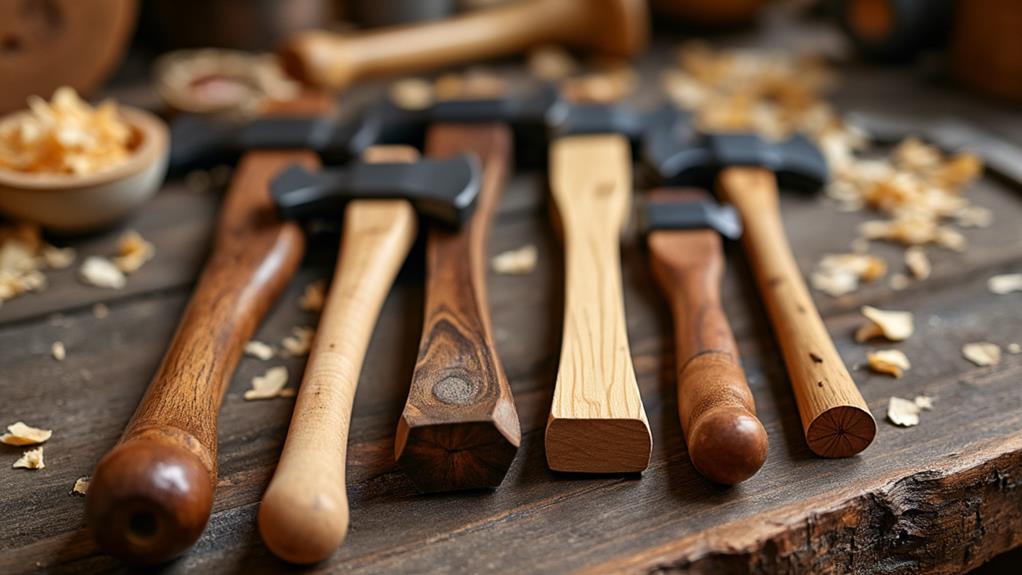
When selecting the best wood for an axe handle, several top contenders each offer unique advantages. American hickory is frequently praised for its strength and shock absorption, making it a popular choice. White oak is known for its durability and moisture resistance. Osage orange stands out for being exceptionally hard and naturally resistant to decay.
Sugar maple offers a fine grain and excellent shock absorption, while dogwood provides aesthetic appeal, though it lacks flexibility. For those considering custom handle woods, these options provide a reliable starting point.
American Hickory
When it comes to axe handles, American Hickory is an unparalleled choice. Its exceptional strength, flexibility, and shock absorption make it ideal for heavy-duty use. Choosing a hickory handle means selecting a material renowned for its ability to withstand significant impacts. The modulus of rupture for hickory typically exceeds 9000 lbs/in², ensuring your axe can tackle tough tasks without breaking.
Hickory's unique grain structure is another reason it's highly valued among axe makers. Its straight grain enhances durability and reduces the risk of splitting, crucial for maintaining the integrity of your axe. Historically, about 75% of axes had hickory handles, underscoring its longstanding reputation for reliability.
In addition to its functional advantages, hickory offers balanced weight, leading to better control and handling. This balance allows for more precise cuts and reduces fatigue during extended use. Therefore, when selecting handle wood for your axe, American Hickory stands out as a superior option, trusted by generations of craftsmen and modern users alike.
Oak Varieties
When selecting wood types for axe handles, oak varieties each offer unique benefits and drawbacks. Among these, white oak and red oak are commonly considered. White oak is generally preferred due to its superior durability and moisture resistance, making it ideal for outdoor use and reducing the risk of weather-related damage.
Conversely, red oak is less favored. Its higher porosity increases the risk of splitting under strain, making it a less reliable option for heavy use. Strength metrics are crucial when choosing an oak variety. A modulus of rupture above 9000 lbs/in² is recommended to ensure the handle can endure the stress of use.
However, it's important to note that oak handles are heavier than those made from hickory, which can affect the axe's balance and control, making it more challenging to use. Additionally, oak lacks the flexibility of hickory, potentially making high-impact tasks less comfortable.
Osage Orange
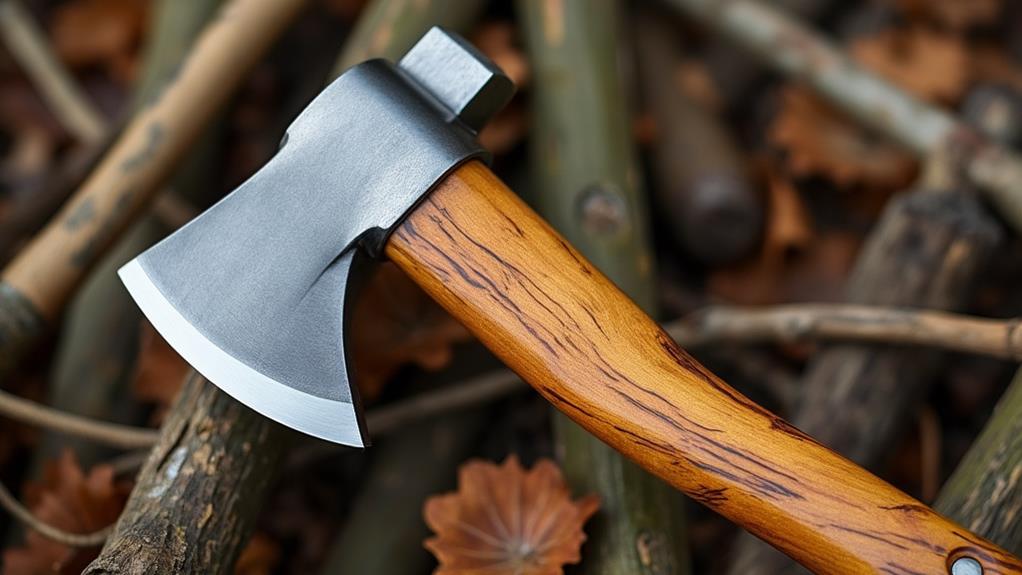
Osage orange is an excellent choice for an axe handle due to its extreme hardness and resistance to wear. This unique wood can even produce sparks when cut, adding an interesting dimension to woodworking. However, it can warp during drying, potentially complicating the crafting of a perfectly straight handle.
Extreme Hardness Noted
Osage orange, though less common than hickory, excels in extreme hardness, making it an outstanding choice for axe handles. With a modulus of rupture often exceeding 12,000 lbs/in², it ranks among the toughest woods available. This exceptional hardness ensures your axe handles can endure heavy use, resisting wear and impact, and maintaining durability in demanding applications.
Additionally, osage orange's natural resistance to rot and decay enhances its longevity. Unlike other woods that may degrade when exposed to moisture, osage orange retains its integrity, ensuring your tool remains dependable. This resilience is particularly advantageous for those frequently using their axes in harsh conditions.
However, osage orange isn't as readily available as hickory, with availability varying by region and supplier. Finding it may require extra effort, but its superior strength and durability make it a worthwhile investment for a long-lasting axe handle.
Sparks During Cutting
Osage orange's remarkable density not only demonstrates its durability but also leads to a unique phenomenon: the wood can produce sparks during cutting. When crafting an axe handle from osage orange, you'll witness this impressive characteristic firsthand.
The extreme hardness of osage orange causes these sparks, a trait shared by few other woods. This is a testament to the wood's toughness, ensuring that any axe handle made from it will be resilient and long-lasting.
The sparks aren't merely a spectacle; they reflect the wood's sheer density and compact cellular structure. When a saw or tool blade meets the dense fibers, increased friction can sometimes produce tiny sparks. This characteristic underscores why osage orange is highly regarded for heavy-duty applications, including robust axe handles.
However, sourcing long, straight pieces of osage orange can be challenging due to its natural growth patterns. Despite this difficulty, the effort is worthwhile for the unmatched durability and unique features the wood provides. While working with osage orange may require extra care, the resulting axe handle will be exceptional.
Resistance to Wear
Osage orange is renowned for its exceptional durability and resistance to wear, making it an ideal material for axe handles. Its extreme hardness ensures that the handle can endure the repeated impacts associated with axe use, maintaining its integrity over time.
The wood's longevity is further enhanced by its natural oils, which offer protection against moisture and environmental factors that typically cause deterioration. This makes osage orange particularly suitable for use in damp conditions or unpredictable weather, ensuring the axe handle remains resilient and reliable.
Anecdotal evidence even suggests that osage orange can produce sparks when struck, underscoring its hardness and density. This unique characteristic distinguishes it as one of the most durable woods available.
Although less common than hickory, osage orange's superior properties make it a prized choice for those seeking lasting quality in their tools. Additionally, the excellent resistance to wear means that osage orange maintains a smooth surface over time, reducing the need for frequent replacements or repairs. This ultimately saves both time and money. If durability and resistance to wear are your priorities, osage orange is an excellent choice.
Sugar Maple
Sugar maple is a strong and durable material, making it a top choice for axe handles. It can withstand significant stress and offers decent shock absorption, though it may not match the performance of hickory in this regard. Historically favored for its fine, straight grain and attractive finish, sugar maple balances aesthetics with functionality effectively.
Strength and Durability
Sugar maple is an excellent choice for axe handles due to its remarkable strength and durability. With a modulus of rupture around 9,000 lbs/in², it provides the high strength necessary for demanding tasks. Its fine, straight grain structure minimizes the risk of splitting, ensuring a longer lifespan for the handle. This grain pattern also contributes to a smoother, more comfortable grip.
The hardness of sugar maple further enhances its durability. When properly dried, the wood resists warping, which is crucial for maintaining the integrity of the axe handle over time. However, careful monitoring of the drying process is essential to avoid potential distortions. Historically, sugar maple has been trusted in various applications, attesting to its reliability and effectiveness in handle construction.
Shock Absorption Qualities
Among the attributes that make sugar maple an exceptional choice for axe handles, its shock absorption qualities stand out. When swinging an axe, a handle that minimizes fatigue is crucial. Sugar maple excels in this area due to its high modulus of elasticity, allowing the wood to flex slightly and absorb impact, reducing strain on your hands and arms.
Additionally, sugar maple has a modulus of rupture around 9000 lbs/in², making it strong enough to withstand repeated impacts without breaking. Its fine, straight grain structure evenly distributes forces, enhancing its shock absorption capabilities. An uneven grain can lead to more vibration transfer, which is undesirable.
Compared to oak, sugar maple offers a balanced weight, making it easier to control your swings while still effectively absorbing shocks. Its density and resilience make it a strong competitor to traditional hickory.
For a handle that combines strength and superior shock absorption, sugar maple is an outstanding choice, proving to be a reliable partner for extended chopping sessions.
Historical Uses Insights
Sugar maple has a rich history of diverse applications, thanks to its impressive shock absorption qualities. Historically prized for making baseball bats, sugar maple's strength and shock-absorbing characteristics also make it an excellent choice for axe handles. The wood's density and hardness contribute to a high modulus of rupture, essential for heavy-duty applications.
Though less commonly used than hickory and ash in the past, sugar maple has garnered interest among modern axe makers due to its fine, straight grain, which enhances the durability and structural integrity of the handles. This makes it a resilient choice for demanding tasks. Local craftsmen in regions where sugar maple is abundant appreciate its combination of durability and resilience, qualities essential for effective axe handles.
Dogwood
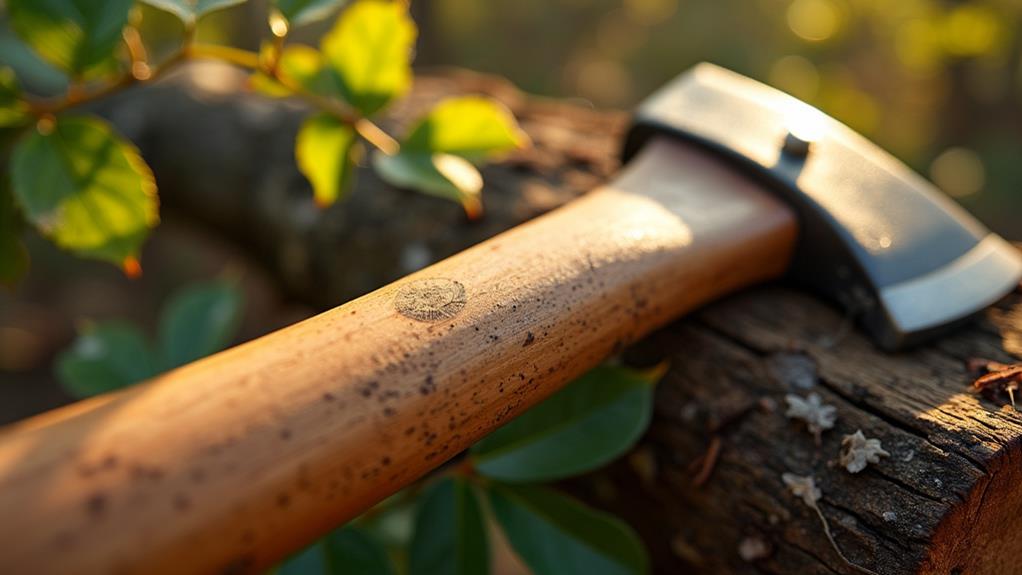
Dogwood, historically valued for its strength, offers an intriguing option for axe handles. Although not as commonly used today, dogwood's impressive density and hardness contribute to its durability. Its fine grain and attractive appearance make it appealing for those seeking an aesthetically pleasing handle.
However, dogwood may not match the toughness and flexibility of other hardwoods like hickory or ash. Due to its dense structure, dogwood can withstand significant wear but may lack the necessary shock absorption for heavy-duty axe use. This makes it better suited for smaller tools rather than larger axes, where brittleness could become an issue under heavy impact.
Limited availability also makes dogwood less practical for mass production or frequent replacements. User experiences with dogwood axe handles are mixed. Some appreciate its strength and beauty, while others find it lacking in resilience during intense tasks.
If you're looking for a unique, visually appealing handle and can accept its potential limitations, dogwood could still be worth exploring.
Custom Handle Woods
Exploring custom handle woods opens up a world of possibilities for crafting unique and personalized axe handles. As an axe maker, you can experiment with non-traditional woods, but availability can sometimes limit your options, requiring creativity in sourcing materials.
Osage orange stands out as an excellent choice for custom handles due to its impressive strength and wear resistance. If you can find a long, straight piece, you'll have a handle that can withstand heavy use over time.
Black locust also offers good properties, but it's prone to warping during the drying process, which can complicate its usability. Despite this, its inherent strength makes it worth considering if you can manage its drying.
Aesthetics matter too, especially when you're balancing functionality with visual appeal. Woods like walnut are often sought after for their rich, decorative qualities, making your custom axe handle not just a tool, but a piece of art.
Stability remains essential—select woods that resist warping to guarantee your axe handle's longevity and performance. By carefully choosing and crafting with these custom handle woods, you'll create a distinctive, durable tool tailored to your preferences and needs.
Conclusion
When choosing wood for your axe handle, several excellent options are available. American hickory offers unparalleled strength and shock absorption. Oak varieties provide durability and moisture resistance. Osage orange is notable for its extreme hardness and decay resistance. Sugar maple's fine grain ensures excellent shock absorption, while dogwood adds aesthetic appeal, though it may be less flexible. Custom woods can also offer unique advantages tailored to specific needs. Choose wisely, and your axe will serve you well!