The Role of Axes in Traditional Woodcraft
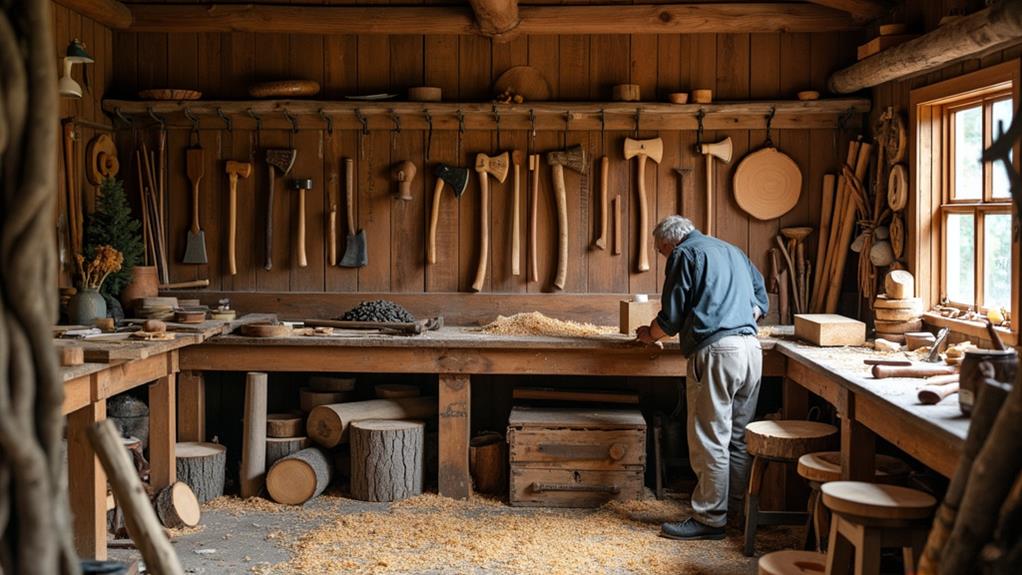
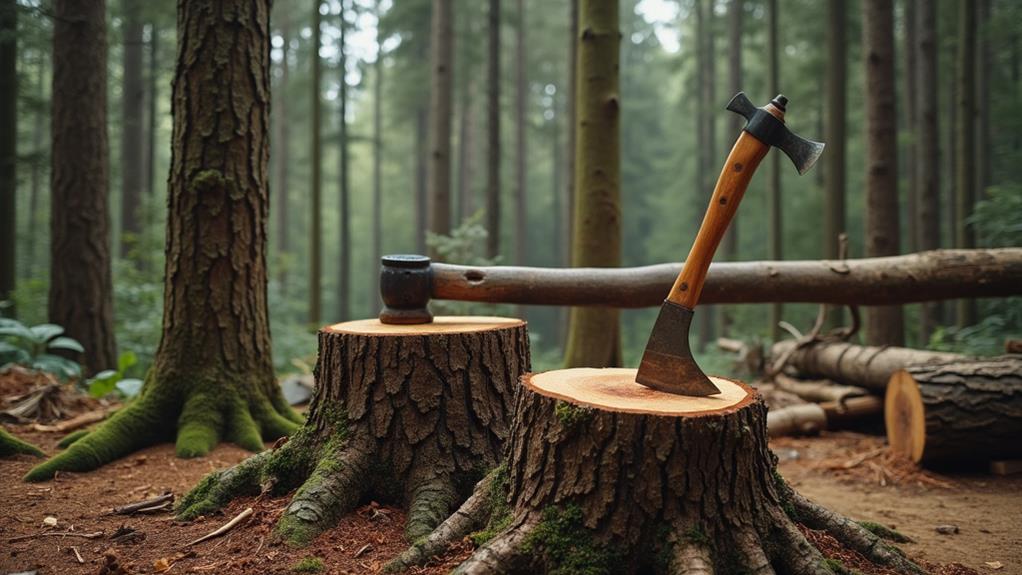
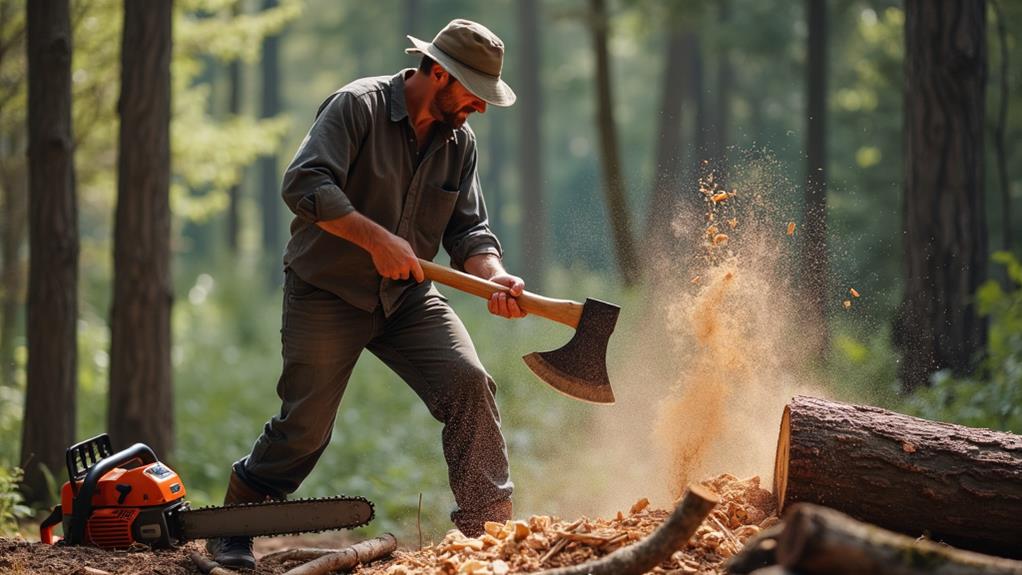
When considering traditional woodcraft, the axe stands out as an indispensable tool. This seemingly simple instrument has evolved over centuries, adapting to tasks such as felling trees, splitting logs, and intricate carving. Different axe designs are tailored for specific purposes, ensuring efficiency and safety. Proper maintenance and sharpening are crucial for optimal performance.
The axe's versatility and functionality make it essential in woodcraft, whether creating practical items or artistic pieces. Mastering its use involves understanding its design, employing correct techniques, and maintaining the tool meticulously.
Evolution of Axes
The evolution of axes showcases a remarkable journey from primitive stone implements to advanced metal tools. During the Stone Age, axe handles were rudimentary, often affixed to simple stone heads using rawhide or plant fibers. Despite their simplicity, these early axes were essential for survival, aiding in tasks such as cutting wood and hunting.
The advent of the Bronze Age brought a significant advancement with the introduction of metal axe heads. These new axes were more durable and effective than their stone predecessors. Improved handles, made from robust materials like hardwood, enhanced control and efficiency. This era saw axes becoming vital tools for both woodcraft and daily life.
Anatomy of Axes
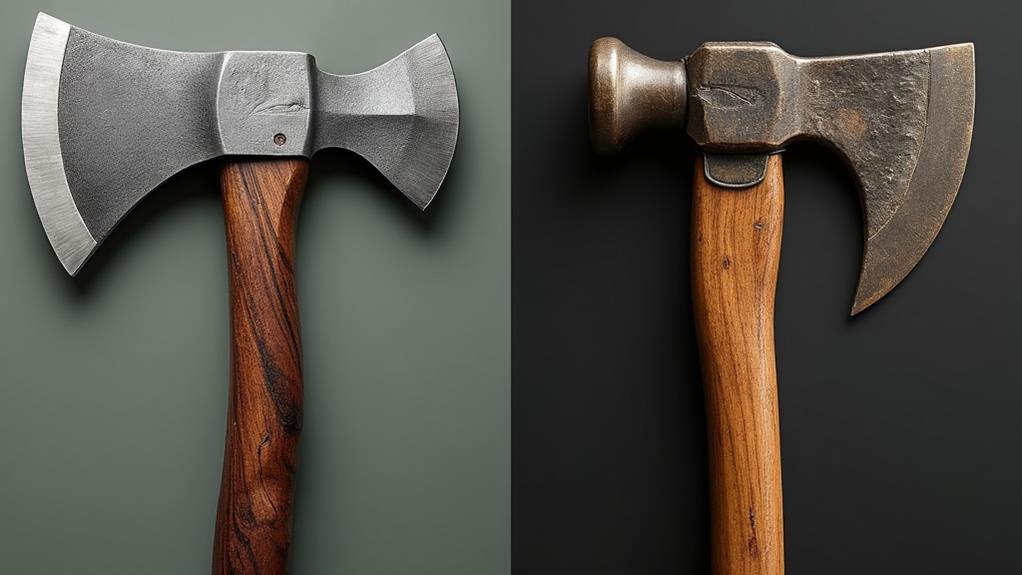
Understanding the anatomy of axes is vital for anyone interested in traditional woodcraft. An axe consists of three main parts: the head, the haft (or handle), and the overall balance. The axe head's shape and material play a significant role in its performance and intended use. The cutting edge, whether straight or curved, and the sharpening angle are crucial for cutting efficiency and ease of use.
The haft can be crafted from wood, fiberglass, or steel, each offering unique benefits in terms of comfort and control. Wooden handles, often made from hickory or ash, provide a traditional feel and good shock absorption.
Fiberglass handles are durable and resistant to weathering, while steel handles offer exceptional strength but can be heavy. Balance is another important aspect, as a well-balanced axe allows for precise movements and reduces user fatigue. A properly balanced axe ensures effective swinging and cutting, making your tasks more efficient.
Types of Axes
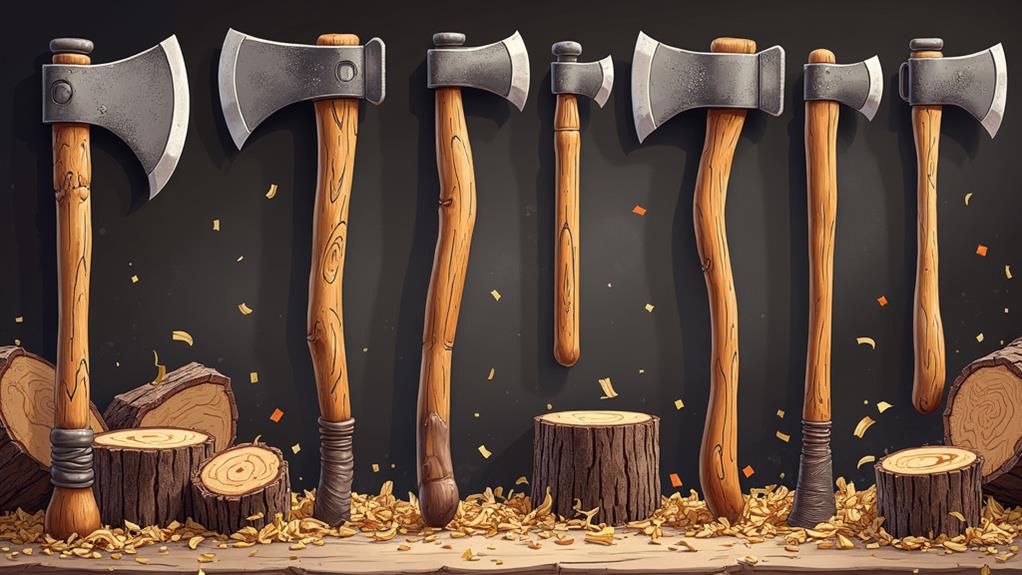
When exploring traditional woodcraft, you'll find that each type of axe serves a distinct purpose. Carving, splitting, and hewing axes each have unique features tailored to specific tasks. Understanding these differences helps appreciate their historical development and specialized uses.
Varieties and Purposes
Axes come in various types, each crafted for specific tasks in traditional woodcraft. Whether you're splitting logs, carving detailed items, or shaping timber, there's an axe suited for the job. Understanding these varieties will help you choose the right tool for your needs.
Here are three common types of axes and their purposes:
- Splitting Axes: Designed for processing large logs, splitting axes feature heavy, wedge-shaped heads that make splitting wood along the grain easier. Essential for preparing firewood, these axes are a must-have for any wood-splitting task.
- Carving Axes: Ideal for detailed woodwork, carving axes have a single-handed design that allows for precise control. Perfect for creating items like spoons and bowls, these axes excel in tasks requiring intricate detail.
- Broad Axes: Used for hewing and shaping timber, broad axes are two-handed tools crucial in architectural woodcraft. They're essential for shaping large pieces of wood for construction projects.
Each type of axe is designed with specific tasks in mind, making the right choice crucial for efficiency and ease in your woodcraft projects. Always consider what you'll be working on and select an axe that matches those needs.
Anatomy and Features
The anatomy of an axe is crucial to its functionality and efficiency in woodcraft. An axe typically consists of three main components: the head, the handle (haft), and the overall balance. The shape and material of the axe head significantly influence its performance.
Different types of axes are designed for specific functions: splitting axes are ideal for processing large logs, carving axes excel in detailed work, and hatchets are perfect for quick, portable tasks.
Carving axes, designed for single-handed use, offer precision for intricate jobs. Conversely, hewing axes, used for larger tasks, require two hands for better control. The design of the axe's bevel is also important; symmetrical double bevels allow for controlled cuts, while single bevels (broad axes) improve ease of control.
Ergonomic considerations such as handle length and weight distribution are fundamental. Properly designed axe handles can greatly improve user comfort and safety, especially during prolonged use. When selecting an axe, pay close attention to these features to ensure it meets your specific needs and enhances your woodcrafting experience.
Historical Development
Understanding the anatomy and features of an axe is essential for appreciating its historical development. Axes have evolved significantly, beginning as rudimentary stone tools in the Stone Age and advancing to sophisticated metal designs during the Bronze and Iron Ages. This evolution mirrors significant advancements in woodcraft techniques, marking each period as a milestone in the history of woodworking.
Traditional axes come in various types, each tailored for specific tasks:
- Splitting Axes: Designed for processing logs, these axes excel at splitting wood along the grain, making them vital for firewood preparation.
- Carving Axes: Engineered for detailed work, these axes enable artisans to create intricate designs and sculptures.
- Broad Axes: Utilized for hewing large timber, these axes are ideal for shaping logs into beams and planks.
The construction of axes has also seen considerable advancements. The use of high-quality steel and ergonomic designs has markedly improved their durability and usability. For instance, historical Japanese axes feature wooden handles fitted to sockets and laminated steel blades, optimizing performance for specific tasks. The evolution of axe design across various cultures underscores advancements in material technology and the changing demands of woodworking practices.
Ergonomics and Safety
When working with axes in woodcraft, prioritizing safety is crucial. Opt for ergonomic designs with non-slip grips and shock-absorbing features to minimize fatigue and enhance control. Always use proper grip techniques and balance the axe correctly to reduce the risk of accidents.
Proper Grip Techniques
Mastering traditional woodcraft requires proper grip techniques for both ergonomic efficiency and safety. Your grip on an axe significantly impacts control and injury prevention. Always keep your fingers behind the workpiece to maintain control and avoid accidents.
Key Grip Techniques:
1. Choked Grip for Precision: Using a carpenter's axe with a choked grip, leveraging the beard and finger notches, enhances your precision for detailed cuts. This grip allows you to hold the axe closer to the blade, offering superior control.
2. Appropriate Handle Length: The axe handle length should correspond to your height and arm length. A well-matched handle ensures balanced, comfortable handling, reducing fatigue during extended use and minimizing strain.
3. Hand Positioning: Apply downward pressure with your top hand while the bottom hand guides the axe. This positioning ensures safer, more controlled movements, which are essential for effective woodcraft.
Safe Handling Practices
To ensure safety and efficiency in woodcraft, it's crucial to focus on ergonomic and safe handling practices. Start by confirming you have a proper grip on the axe handles. Keep your fingers behind the workpiece to prevent injury. A secure grip is essential; non-slip grips on the handles can enhance your control and reduce user fatigue.
Your stance is also important for safe axe handling. Maintain a balanced position with your feet shoulder-width apart, and ensure your hand positioning is correct. This reduces the risk of accidents and improves cutting accuracy. A steady stance and firm grip work together to keep you safe.
Awareness of your surroundings is vital. Eliminate distractions and stay focused on your task to avoid mishaps. Staying alert can be a lifesaver when working with sharp tools.
Ergonomic Axe Design
Proper handling practices are crucial, but the design of the axe itself is equally important for ensuring both safety and user comfort. Ergonomic axe design integrates features like non-slip grips and shock-absorbing handles to minimize user fatigue and enhance control, especially during prolonged use. These elements are key to maintaining a secure hold and reducing the risk of accidents.
Consider the following aspects of ergonomic axe design to make your axe-handling experience safer and more comfortable:
- Handle Length and Weight Distribution: A well-balanced design with appropriate handle length is essential. It promotes user comfort and reduces strain on your arms and shoulders, making your swings more effective.
- Non-Slip Grips and Shock-Absorbing Features: These features are vital for reducing fatigue during extended use. A secure grip ensures better control, while shock absorption lessens the impact on your hands and wrists.
- Angled Handles: Ergonomically designed angled handles can significantly enhance the efficiency of your cutting actions. They facilitate a more natural and powerful swing, improving overall performance.
Axe Maintenance
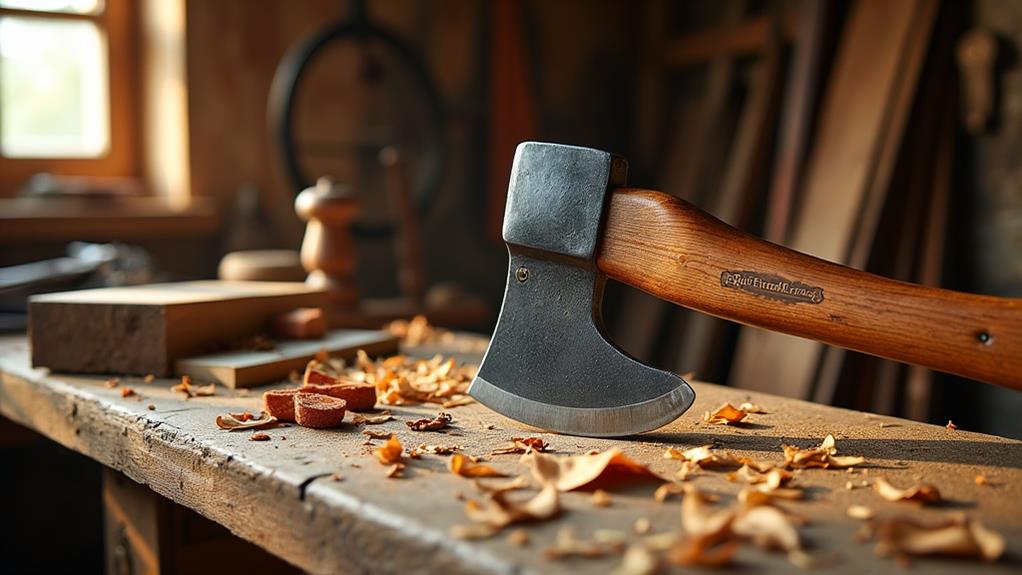
Maintaining your axe is crucial for both its longevity and performance. Start by inspecting the axe handle regularly for cracks or signs of wear and address any issues immediately to prevent accidents. Ensure the handle is securely attached to the axe head for safe use.
To keep the axe head in top shape, clean it after each use to remove sap and dirt, which can lead to rust. After cleaning, apply a thin layer of oil to the axe head to create a barrier against moisture and corrosion, significantly extending the tool's lifespan.
Proper storage is also essential. Store your axe in a dry environment and use a protective sheath to shield the blade, preventing rust and physical damage during periods of inactivity.
Sharpening Techniques
Sharpening your axe is essential for maintaining its cutting efficiency and ensuring safe, precise cuts. A well-sharpened axe requires less force, reducing the risk of accidents and enhancing the accuracy of your work.
Here's a quick guide to mastering axe sharpening techniques:
- Choose Your Method: Select between a whetstone for a controlled, manual approach, or an electric grinder for a faster process if you have the necessary skill.
- Establish the Correct Angle: Hold the axe at the appropriate angle (typically between 20-30 degrees) while sharpening. This ensures a sharp and consistent edge.
- Apply Consistent Pressure: Use even pressure as you move the blade across the whetstone or grinder. Ensure you cover the entire edge uniformly to maintain optimal performance.
A sharp edge not only extends your axe's lifespan but also minimizes the risk of accidents from slipping or excessive force. Mastering these techniques will significantly enhance the quality and safety of your woodworking projects. A well-maintained axe is a woodworker's best ally, providing both efficiency and safety in your craft.
Conclusion
Axes are indispensable tools in traditional woodcraft. Their evolution, various types, and detailed anatomy enable you to perform numerous tasks with precision. Understanding proper ergonomics and safety measures ensures comfortable and secure use. Regular maintenance, including sharpening techniques, keeps your axe effective and reliable. By adopting these practices, you'll enhance both your skill and the quality of your wooden creations. With the right axe, your craftsmanship will truly shine.