San Antonio Homesteads Going Off-Grid
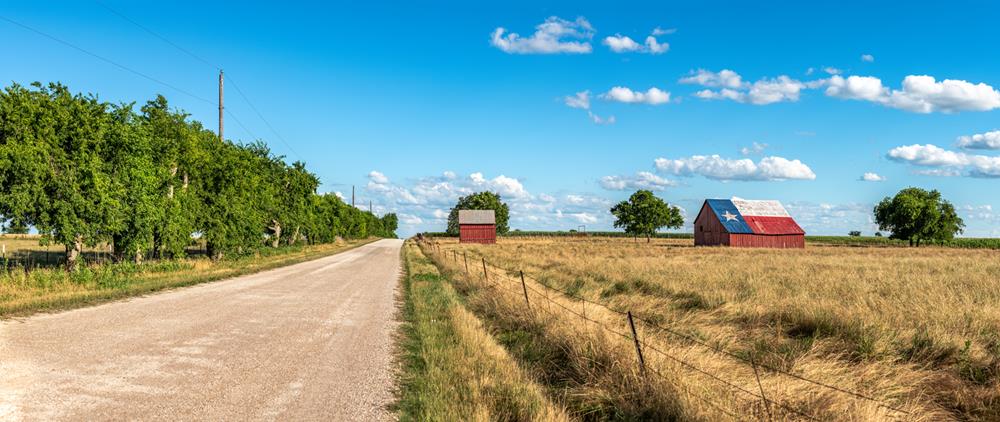
San Antonio offers diverse off-grid homesteading opportunities across Texas's varied landscapes. You'll find options in the secluded Piney Woods, dramatic Palo Duro Canyon, or Terlingua's well-known desert communities.
For your self-sufficient lifestyle, focus on sustainable water collection, solar energy systems, and housing that matches your needs—from rustic cabins to efficient tiny homes. Remember to navigate local zoning laws and permit requirements before establishing your homestead. The path to independence begins with understanding these essential elements.
Understanding the Off-Grid Lifestyle in San Antonio
While San Antonio itself is a bustling urban center, the city's central location offers access to remote and self-sufficient communities. It serves as a strategic base to explore off-grid lifestyles throughout Texas.
From San Antonio, you can explore the Piney Woods for forested solitude, visit Palo Duro Canyon where modern sustainable living reflects thousands of years of habitation, or test your self-reliance in the Chihuahuan Desert's stark beauty.
Terlingua, a well-known off-grid destination, is within reach for weekend visits to explore adobe domes, solar dwellings, and alternative living models. Whether you're considering relocation or research, San Antonio offers access to varied off-grid lifestyles across the state.
Finding and Purchasing Suitable Land for Self-Sufficiency
Once you've envisioned your ideal off-grid lifestyle, securing suitable homestead land is your next step. Prioritize regions like the Piney Woods, known for tree cover, privacy, and a humid climate favorable to self-sufficient living.
Evaluate land based on solar potential, water access, and soil quality for gardening or livestock. The Chihuahuan Desert presents low-cost, high-resilience options, while Palo Duro Canyon offers elevated sites with good drainage and mild summers.
Terlingua remains attractive for its established off-grid culture and flexible building norms. Property prices vary widely—whether you're after budget acreage or eco-luxury cabins, you'll find choices aligned with both financial and sustainability goals.
Water and Energy Solutions for Off-Grid Properties
Since water and energy are crucial to off-grid living, developing reliable systems early is essential. Set up rainwater harvesting using roof catchment systems and tanks to supply drinking and irrigation needs.
Install solar panels in sun-rich areas, and practice regular cleaning to ensure optimal performance. In regions with temperature swings, geothermal heat pumps offer sustainable heating and cooling by tapping stable underground temperatures.
Complement your systems with composting toilets and greywater recycling setups. A propane generator can serve as a reliable backup during long overcast periods when solar output may fall short.
Building Sustainable Housing: Cabins, Tiny Homes, and Barndominiums
When designing your off-grid homestead, your shelter choice sets the tone for sustainable living. Cabins can incorporate local materials, rainwater systems, and off-grid tech like solar arrays while maintaining rustic charm.
If portability and downsizing appeal to you, tiny homes offer compact efficiency with composting toilets, LED lighting, and mini-split HVAC systems. Meanwhile, barndominiums blend workshop and living spaces—ideal for storing homestead tools and housing livestock gear.
Each structure type can integrate passive solar design, energy-efficient insulation, and reclaimed materials. Match your build to your land's resources and your homesteading needs.
Legal Considerations and Permits for Off-Grid Living
Though Texas is more lenient than other states, San Antonio and nearby counties still enforce zoning regulations and building codes. Before building, verify that your land allows for alternative dwellings, like tiny homes or solar-powered cabins.
Apply for necessary permits covering power systems, waste treatment, and water supply. Research composting toilet laws, septic system rules, and greywater usage for your county.
Take advantage of solar tax incentives or state grants to help offset installation costs. Collaborating with experienced off-grid builders and checking with local officials ensures your build remains compliant.
Cultivating Food Security on Your Homestead
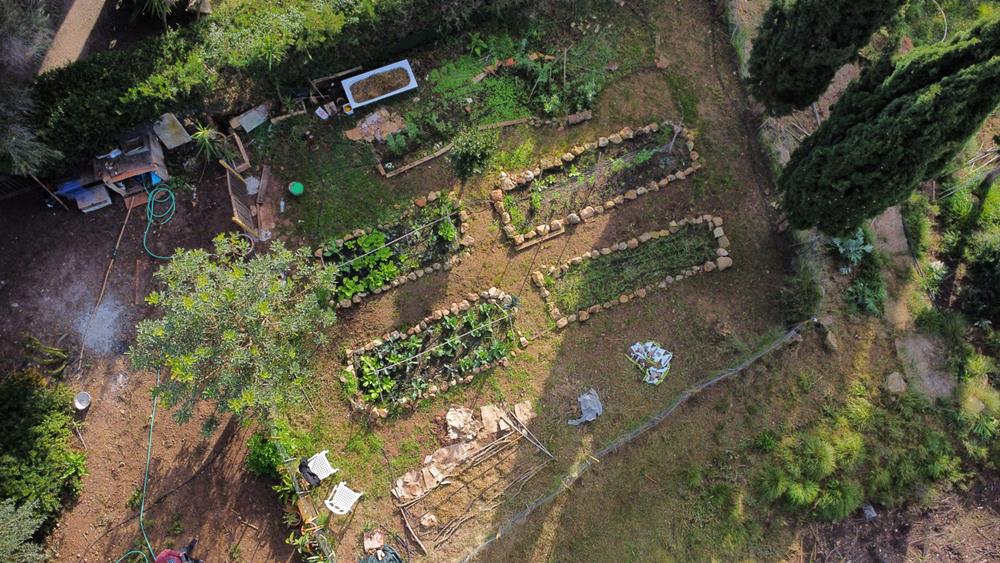
Once legally settled, turn to growing your own food—an off-grid essential. San Antonio's semi-arid climate allows for tomatoes, okra, and native plants like prickly pear that need minimal water.
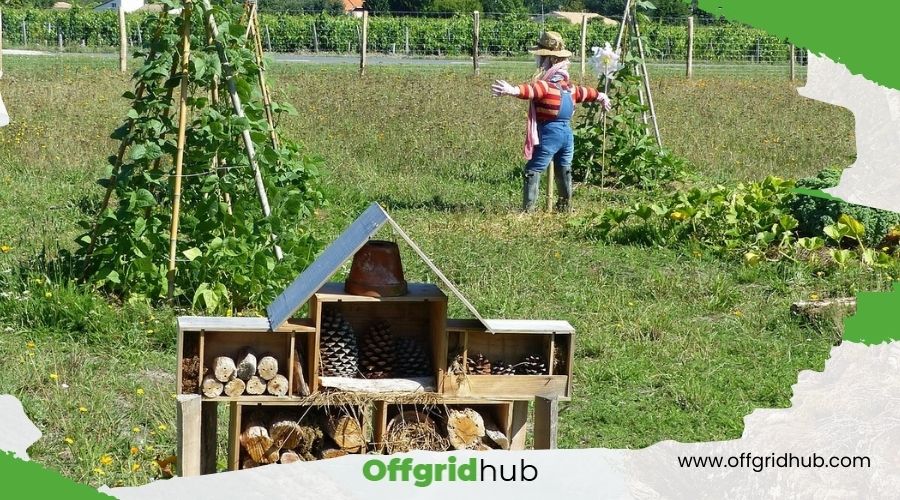
Use permaculture practices and rainwater-fed irrigation to create synergy between crops, animals, and environment. A greenhouse extends your season and protects tender crops from heat or storms.
Backyard livestock—goats, chickens, or rabbits—can supply milk, eggs, and meat. Master seed-saving to cultivate plants suited to your microclimate. Learn canning and fermenting to extend your harvest through the winter.
Connecting With San Antonio's Off-Grid Community
Off-grid living need not be lonely. San Antonio has a growing community of homesteaders, landowners, and educators passionate about sustainability.
From Terlingua's desert pioneers to hobby farmers near Seguin and Boerne, you'll find groups ready to share experiences and advice.
Local real estate agents who specialize in off-grid properties can help locate suitable parcels. Attend regional permaculture workshops, earth-building seminars, and homesteading meetups to gain hands-on experience.
These gatherings build knowledge and community, empowering you to thrive independently while still benefiting from shared resources and regional insight.