Most Effective Power Sources for Off-Grid Living
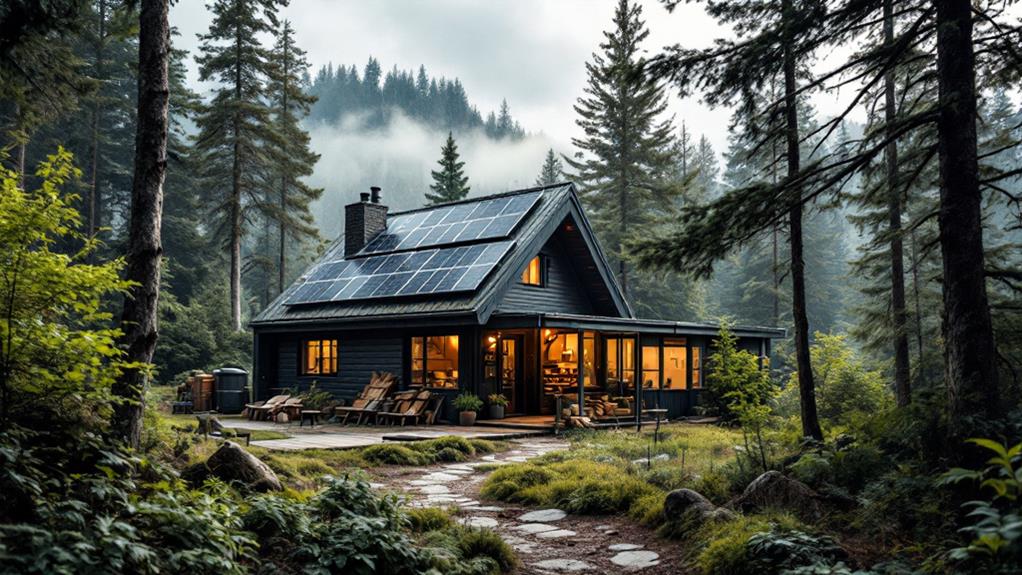
For off-grid living, you'll need a combination of renewable energy sources to meet your power needs effectively. Solar power systems, using photovoltaic cells and batteries, are increasingly efficient and cost-effective. Micro-hydro generators tap into flowing water, providing reliable energy with minimal maintenance. Wind turbines can start producing power at low wind speeds and scale up as needed. Biogas solutions convert organic waste into fuel, offering sustainable waste management. For ideal results, consider a hybrid system that integrates multiple sources, enhancing reliability and reducing storage requirements. By understanding these options, you'll be better equipped to create a resilient off-grid power setup.
Solar Power Systems
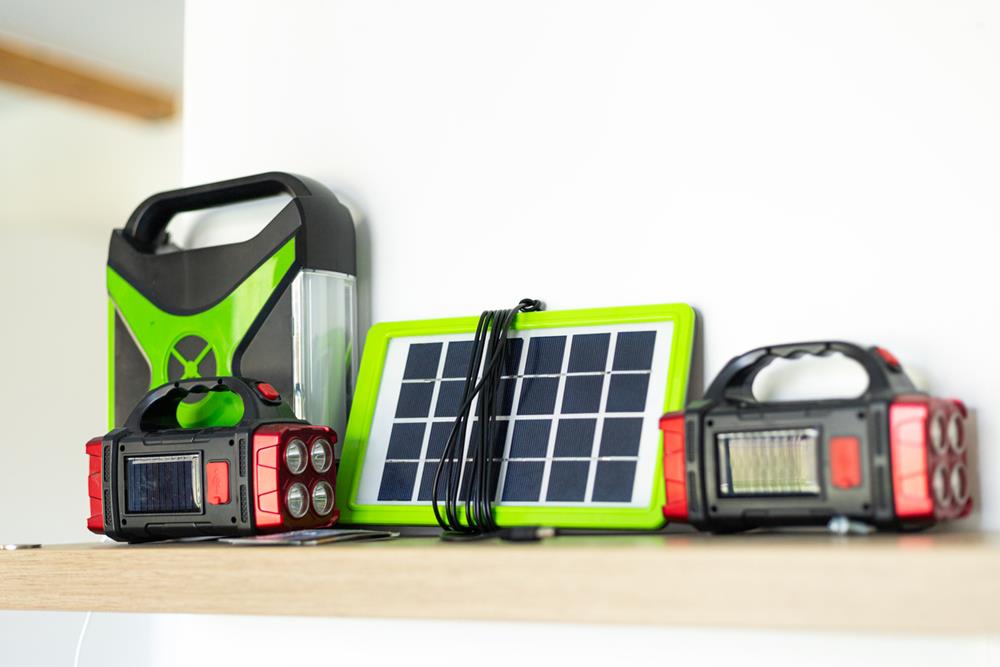
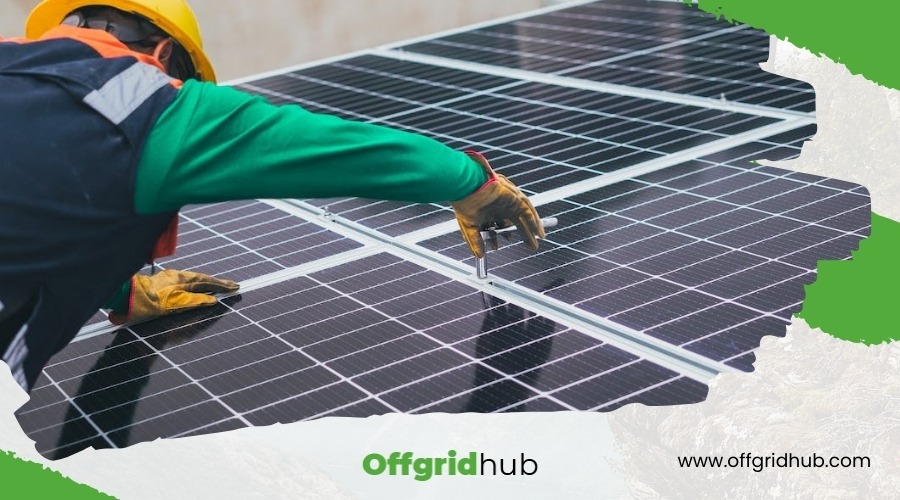
Three key components make solar power systems an excellent choice for off-grid living: photovoltaic cells, batteries, and inverters. These systems guarantee sunlight, a clean and renewable energy source, to generate electricity for your off-grid home or business. Solar panels, comprised of photovoltaic cells, convert sunlight directly into DC electricity, which can be stored in batteries for later use. An inverter then alters this stored DC power into AC electricity, compatible with most household appliances.
You'll find that solar power systems have become increasingly efficient and cost-effective in recent years, making them a viable option for meeting your off-grid energy needs. Whether you're powering a small cabin or a large farm, these systems can be scaled to match your energy requirements. To secure reliable energy generation, you'll need to properly size your system, invest in adequate battery storage, and correctly orient your solar panels. By doing so, you'll create a consistent energy supply that can sustain your off-grid lifestyle. With solar power systems, you're not only gaining energy independence but also contributing to a more sustainable future through the use of renewable energy sources.
Micro-Hydro Electricity Generation
Utilizing the power of flowing water, micro-hydro electricity generation offers a reliable and renewable energy solution for off-grid living. If you have access to a suitable water source, you can capture its kinetic energy to produce electricity consistently. Unlike solar or wind power, micro-hydro systems provide a more predictable and steady power source, reducing your reliance on extensive energy storage.
To determine if micro-hydro is right for you, you'll need to assess your water source's head (vertical drop) and flow rate. These factors directly impact the system's efficiency and power output. Once installed, micro-hydro systems require minimal maintenance and have long lifespans, making them a cost-effective off-grid power solution.
Micro-hydro turbines connected to electric generators can produce electricity on a smaller scale than large hydroelectric dams, making them ideal for off-grid applications. By tapping into your property's natural resources, you can generate clean, renewable energy while minimizing your environmental impact. If you have access to suitable water resources, micro-hydro electricity generation could be an excellent choice for your off-grid power needs.
Wind Turbine Technology
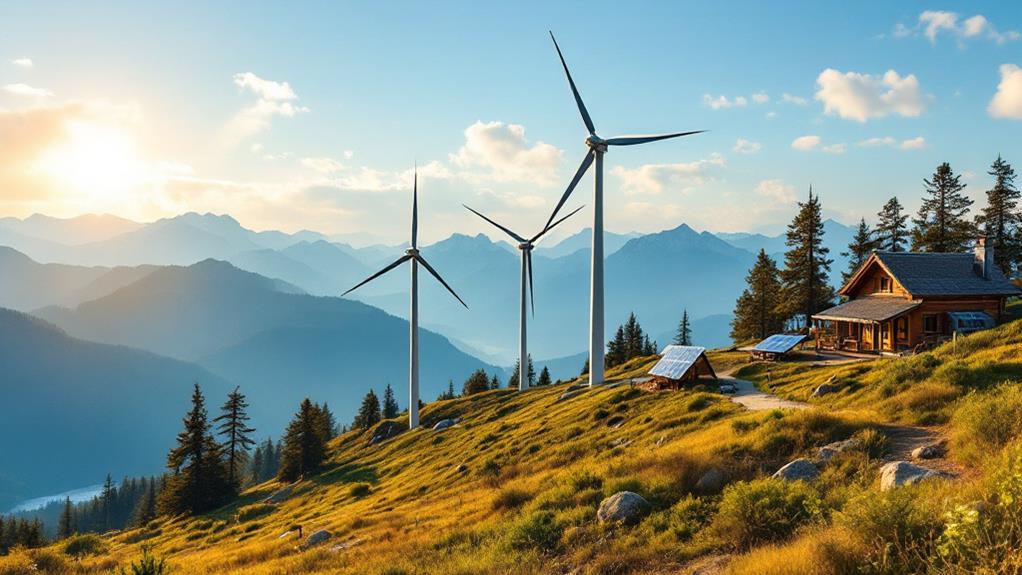
Wind turbine technology stands out as a powerful option for off-grid energy generation. These innovative devices harness the kinetic energy of wind, converting it into electricity through aerodynamic blades and a rotor-driven generator. You'll find that modern wind turbines can start producing power at wind speeds as low as 3-4 m/s, making them suitable for various locations.
What's impressive about wind power is its potential for substantial energy output. As wind speed increases, the power generation grows exponentially – even small upticks in wind velocity can tremendously amplify your electricity production. To maximize this effect, you'll want to ponder taller turbine towers, which can access stronger and more consistent wind resources.
For your off-grid solutions, you can opt for individual turbines or create a small wind farm. The latter offers more consistent energy generation and improved efficiency across a wider area. Wind energy's scalability makes it an attractive renewable energy option for sustainable, off-grid living. By incorporating wind turbines into your power setup, you're tapping into a reliable and eco-friendly electricity source that can greatly contribute to your energy independence.
Biogas Energy Solutions
A hidden gem in off-grid power solutions, biogas energy systems offer a sustainable way to turn organic waste into precious fuel. These systems capture the power of anaerobic digestion to break down vegetable scraps, animal manure, and agricultural residues, producing methane gas that can be used for various purposes.
You'll find that biogas systems are an excellent waste management solution, converting what would otherwise be discarded into a renewable fuel source. The versatility of biogas is impressive; you can use it directly for cooking and heating or convert it to electricity through a generator. This makes it an ideal off-grid energy solution for those looking to reduce their reliance on traditional power sources.
Hybrid Off-Grid Power Systems
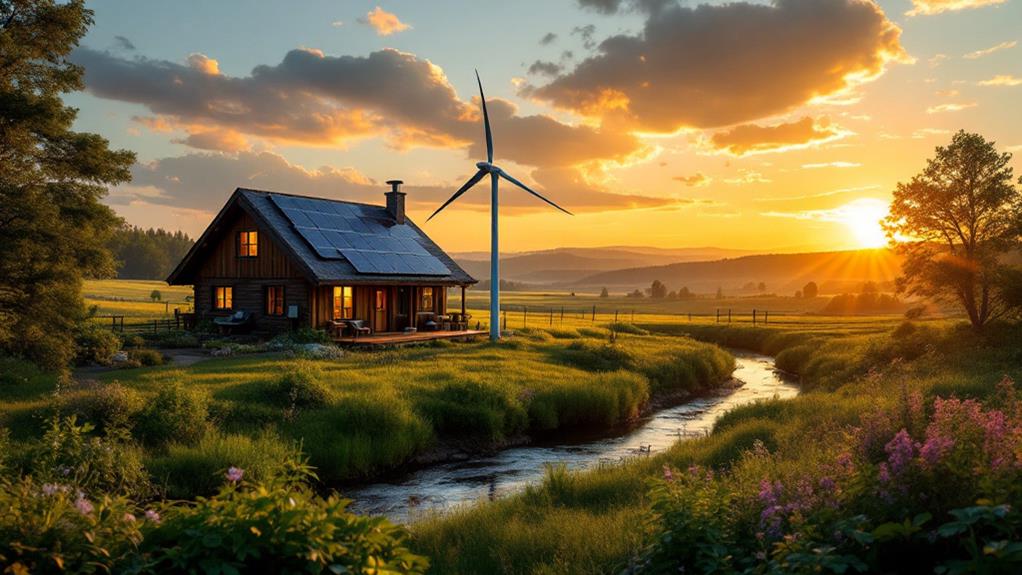
Powerhouses of versatility, hybrid off-grid power systems combine multiple renewable energy sources to create a more reliable and efficient electricity supply. By integrating solar, wind, and other energy solutions, these systems optimize the strengths of each source while minimizing their weaknesses. You'll benefit from a customized power setup customized to your specific needs and location, ensuring a consistent and cost-effective off-grid living experience.
- Enhanced reliability: Multiple energy sources reduce the risk of power outages
- Improved efficiency: Optimized energy production and reduced storage requirements
- Cost-effectiveness: Lower long-term expenses due to reduced reliance on backup generators
The integration of advanced energy storage technologies, such as batteries and fuel cells, further enhances the performance of hybrid off-grid power systems. You'll enjoy increased resilience and redundancy in your power supply, giving you peace of mind even in challenging conditions.
Frequently Asked Questions
What Is the Most Efficient Off-Grid Power Source?
You'll find that the most efficient off-grid power source depends on your location and energy needs. Solar panels are popular for their low maintenance and reliability in sunny areas. Wind turbines work well in breezy regions, while micro hydro systems are ideal near flowing water. Don't overlook geothermal power, biomass generators, or fuel cells. To maximize efficiency, you should consider hybrid systems combining multiple sources. Pair these with battery storage or portable power stations to secure consistent energy availability.
What Is the Best Way to Generate Power Off-The-Grid?
To generate power off-the-grid, you'll want to ponder a combination of renewable sources. Start with solar panel systems and photovoltaic cell arrays for reliable daytime energy. Add wind turbine installations to seize breezy conditions. If you've got flowing water nearby, micro hydroelectric generators can provide consistent power. Don't forget battery storage banks to store excess energy. For backup, consider biomass combustion units, geothermal heat pumps, or even diesel generator setups. Propane powered appliances and thermoelectric generators can round out your off-grid power solution.
How to Live 100 Percent Off-Grid?
To live 100% off-grid, you'll need to embark on a comprehensive endeavor. Start with energy-efficient home design and install solar panels, wind turbines, and hydroelectric generators if possible. Implement battery storage solutions and maintain your equipment regularly. Don't forget about water management and sustainable food cultivation. Consider geothermal heating systems and biofuel production methods for additional energy sources. Finally, set up off-grid communication systems to stay connected. It's a demanding but fulfilling path towards complete self-sufficiency.
How Much Power Do I Need to Run My House Off-Grid?
To determine your off-grid electricity requirements, start by estimating your power consumption. You'll need to calculate your daily energy usage, considering energy efficiency upgrades and off-grid appliance selection. Use a solar panel sizing calculator and assess wind turbine feasibility to design a hybrid power system. Don't forget to factor in battery storage capacity. Consider micro-hydro power generation if applicable. Your renewable energy mix should meet your needs while accounting for seasonal variations. Aim for a system that balances reliability and cost-effectiveness.