How to Sharpen an Axe With Natural Stones
Sharpening your axe with natural stones is more than just tool maintenance; it's about preserving a piece of craftsmanship that can serve you well for years. Start by cleaning the axe head thoroughly and securing it properly to ensure safety. Choosing the right stone is crucial, as it directly influences the sharpening process's efficiency. Maintaining a consistent angle and knowing when to switch sides are key factors that will ensure your axe performs impeccably. Let's explore each step to transform your axe into a reliable cutting instrument.
Why Sharpen Your Axe
Maintaining a sharp axe is crucial for its effectiveness and safety. A sharp edge enhances cutting efficiency, enabling you to slice through wood with less effort. This not only reduces user fatigue but also makes the axe safer to use, as a dull blade can deflect off the wood and cause injuries. Therefore, regular sharpening is essential.
Utilizing sharpening stones to keep your axe sharp prevents accidents and extends the tool's lifespan. A well-maintained blade delivers smoother and cleaner cuts, which is particularly important for precision tasks like carving or game processing. A dull blade can damage the axe and decrease its effectiveness over time.
Additionally, a sharp axe requires less effort to operate, making outdoor activities safer and more enjoyable. Proper sharpening means you'll spend less time and energy on each swing, allowing you to focus on your work without struggling with an ineffective tool.
Choosing the Right Stone
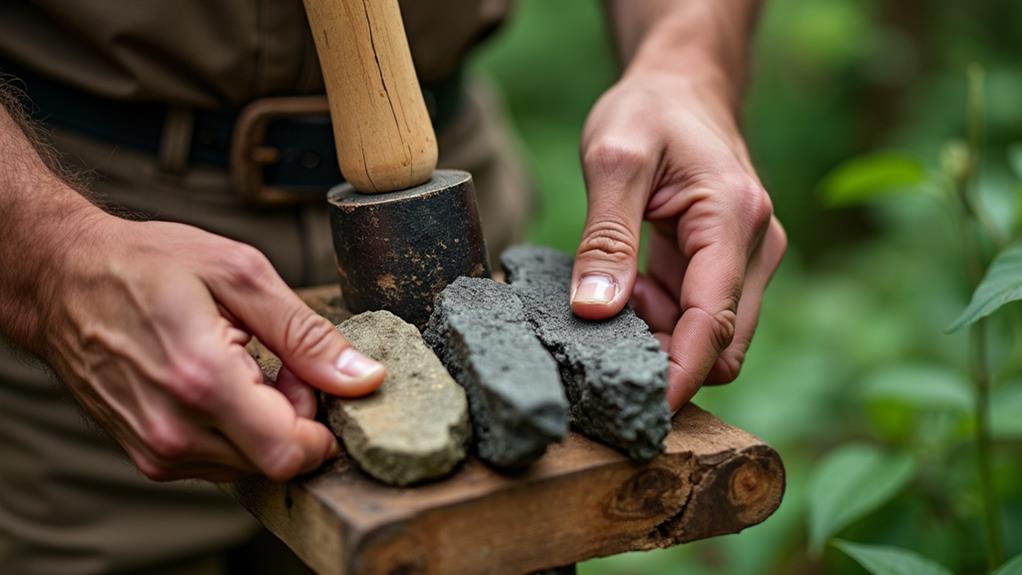
Selecting the right stone for sharpening your axe involves several key factors to ensure optimal performance. Firstly, consider the type of sharpening stone. Aluminum oxide stones are highly recommended due to their effectiveness for both coarse and fine sharpening. Their versatility makes them a reliable option for any axe owner.
Next, focus on the grit levels of the stone. Coarser stones, typically between 150-220 grit, are suitable for the initial edge shaping of your axe. For finishing touches, a finer stone with a grit level between 600-1000 is necessary. This two-step approach ensures a sharp and durable edge.
The shape of the stone is also important. Round stones are particularly effective because they allow for a circular motion that aligns well with the axe's edge geometry. This helps maintain a consistent angle, which is crucial for effective sharpening.
Necessary Tools and Materials
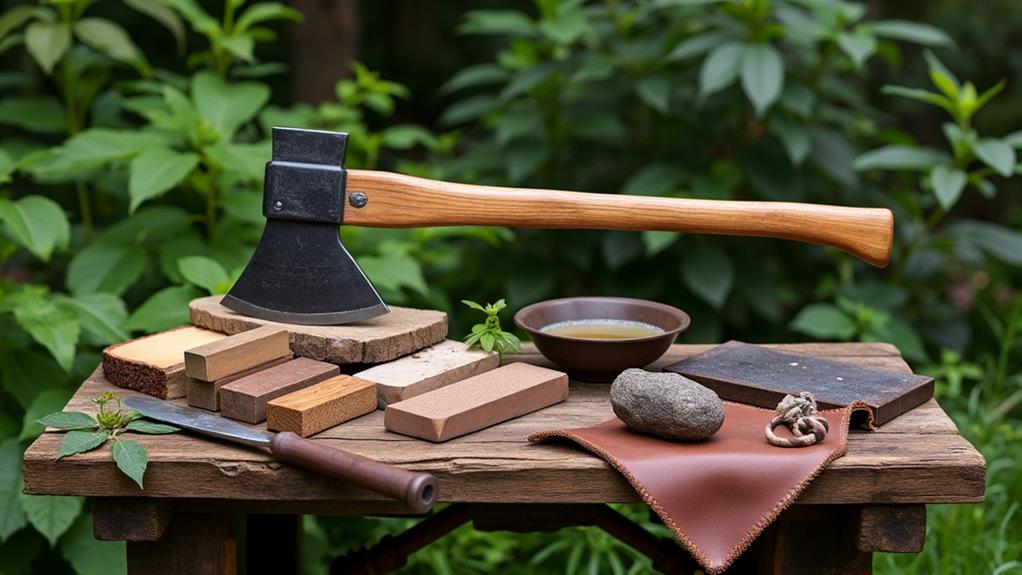
To sharpen your axe effectively, you'll need essential tools: a suitable whetstone made from aluminum oxide, honing oil for lubrication, and both coarse and fine grit stones for reshaping and refining the edge. Wear work gloves to protect your hands and ensure a safe grip. These items are crucial for achieving a sharp and durable axe blade.
Essential Sharpening Equipment
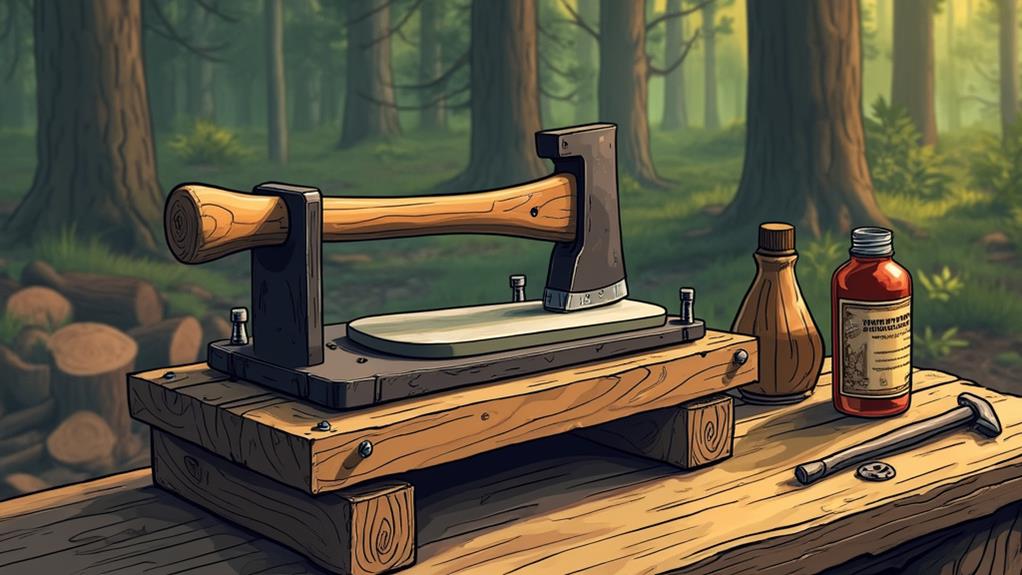
Success in sharpening an axe begins with having the appropriate equipment. A double-sided sharpening stone is essential, featuring both coarse and fine grits. The coarse side removes material, while the fine side refines the edge. A durable stone, preferably made of aluminum oxide, is recommended for effective sharpening with minimal wear.
Honing oil is also crucial. Apply a few drops of honing oil to the sharpening stone to float away swarf and prevent clogging, facilitating a smoother, more efficient sharpening process. Ensure you use a high-quality oil specifically designed for sharpening.
Safety is paramount. Wear work gloves and safety glasses to protect yourself from metal shards and debris. When sharpening, align the axe edge with the stone and use circular motions to achieve an even edge. This technique ensures a sharp, consistent finish.
Having the right tools and materials not only simplifies the task but also guarantees optimal results every time you sharpen your axe.
Proper Lubrication Techniques
Having the right sharpening equipment is essential, but proper lubrication techniques elevate the sharpening process significantly. To sharpen your axe effectively, you need to lubricate the stone correctly. Using honing oil or mineral oil works best, as they create a smooth surface and prevent the stone's pores from clogging.
Begin by generously applying oil to the stone before you start sharpening. This initial application ensures consistent lubrication throughout your sharpening strokes. As you sharpen your axe, the oil helps float away metal shavings, known as swarf, keeping the stone effective and preventing any build-up that could impede your progress.
Monitor the stone as you work. When it starts to look dry or you see metal shavings accumulating, reapply the oil. Regular lubrication is crucial to maintain the stone's effectiveness and ensure a smooth sharpening experience.
Once you've achieved a sharp axe edge, clean the stone using a soft cloth to remove any residual oil and swarf. This step is necessary to maintain the stone's effectiveness for future sharpening sessions. Proper lubrication techniques make all the difference in achieving a finely honed axe edge.
Safety Gear Essentials
Safety gear is essential when sharpening an axe, as it protects you from potential injuries. Always wear safety glasses to shield your eyes from metal filings and debris generated during the sharpening process. Your eyes are highly vulnerable, and protecting them is crucial.
Next, use work gloves to safeguard your hands from the sharp edges of the axe and to provide a better grip on both the axe and your tools. This not only enhances your safety but also improves control, making the sharpening process more efficient.
You'll also need honing oil to lubricate the natural stone. This prevents clogging and ensures a smoother sharpening process. Always apply a few drops of honing oil to the stone before you start working. Lastly, ensure you have a stable work surface. Securing your axe in a vise or clamp prevents any unwanted movement, making the process safer and more precise.
If you're working in a confined space, consider wearing a dust mask to avoid inhaling dust or particles released during sharpening.
Preparing the Axe and Stone
Begin by thoroughly cleaning the axe head to remove any dirt and debris that could impede the sharpening process. Secure the axe in a stable position with the cutting edge facing upward to ensure safety. Apply honing or mineral oil to your sharpening stone to facilitate the removal of swarf and enhance the sharpening efficiency.
Cleaning Axe and Stone
Before sharpening your axe, it's essential to thoroughly clean both the axe head and the sharpening stone to ensure effective results. Start by addressing the axe head. Use a wire brush or cloth to remove dirt, debris, and rust. This step is crucial because any residue left on the axe can clog the sharpening stone, diminishing its effectiveness.
Next, clean the sharpening stone. Ensure it's free from dust and particles by rinsing it with water or wiping it with a clean cloth. If using an oil stone, apply a few drops of honing or mineral oil to its surface. This enhances the stone's performance and helps prevent clogging during sharpening. Inspect both the axe and the stone for any damage or wear to ensure optimal sharpening results.
Finally, set up a stable working environment. A clean, organized space will make the cleaning process more efficient and help maintain your tools' condition.
Securing the Axe
To ensure a successful sharpening process, secure your axe in a stable position using a vise or clamp. This step is crucial for preventing movement, thereby ensuring safety and precision during sharpening.
- Begin by thoroughly cleaning the axe head to remove any dirt or debris that could clog the sharpening stone.
- Next, choose a flat, stable surface for the sharpening process to maintain control and reduce the risk of accidents.
- Once you've selected your workspace, clamp the axe securely in a vise or with a clamp, ensuring it remains stationary under pressure. This guarantees even and efficient sharpening.
- Position your sharpening stone securely on the work surface, ensuring it remains stationary to achieve a consistent edge on the axe.
Double-check that both the axe and the stone are firmly in place before you start sharpening. Proper preparation will make the process smoother and more effective, resulting in a sharp, reliable axe.
Applying Honing Oil
Applying honing oil is crucial for preparing both the axe and the sharpening stone, ensuring an effective sharpening session. It helps remove metal filings, prevents the stone from clogging, and guarantees a smoother sharpening experience.
Follow these steps:
- Clean the Axe Head: Before starting, clean the axe head thoroughly to remove dirt or debris. This step prevents contaminants from clogging the sharpening stone.
- Apply Oil: Place a few drops of honing oil on each side of the sharpening stone. Spread it evenly to cover the entire surface. A thin layer is sufficient; too much oil can make the surface slippery and harder to control.
- Ensure Even Coverage: Confirm the honing oil is spread evenly across the stone. This improves sharpening effectiveness and prolongs the stone's life by preventing uneven wear.
- Wipe Off Excess Oil: After sharpening, wipe off any excess honing oil from both the axe head and the stone. This step is vital for maintaining cleanliness and preventing rust on your tools.
Sharpening Techniques
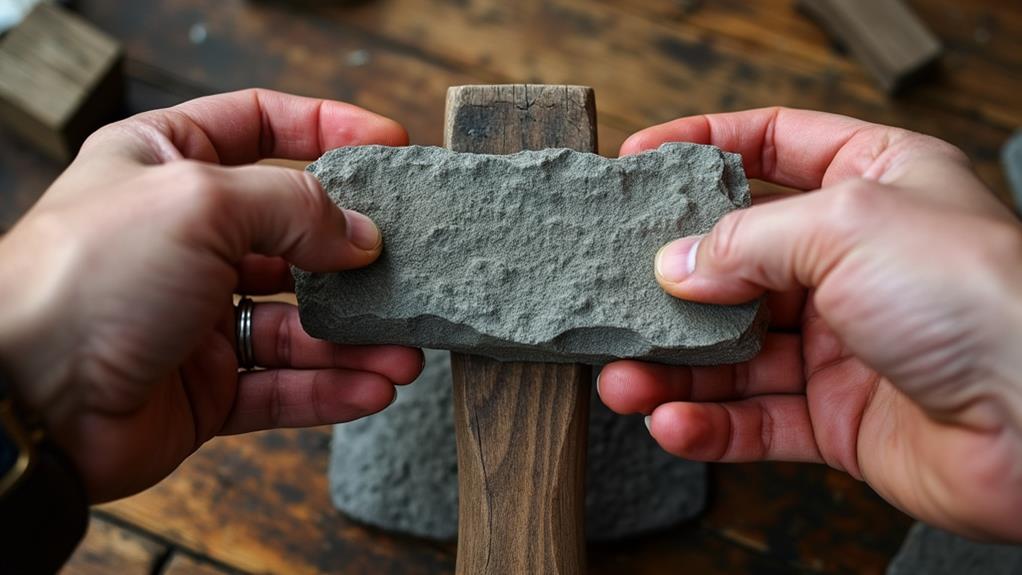
Sharpening an axe involves essential techniques to maintain its optimal performance. Start by aligning the axe's edge with the stone's surface. This alignment is crucial for effective sharpening.
Begin with a coarse grit stone to remove nicks and reshape the edge, applying consistent pressure in a circular motion to ensure even sharpening and prevent uneven wear. Ensure safety by holding the axe firmly and keeping your fingers clear of the sharpening area. Lubricate the stone with honing oil or water to float away swarf and prevent clogging, making the process smoother and more efficient.
Once a burr forms on one side, switch to the other side to maintain even blade alignment. After the coarse sharpening, use a finer grit stone to refine the edge. Finish with a leather strop to polish the blade, achieving a sharp and smooth finish.
Post-Sharpening Maintenance
Keeping your axe sharp is only half the battle; proper post-sharpening maintenance ensures your tool stays in prime shape.
Once you've honed the blade using natural stones, follow these crucial steps:
- Clean the Axe Head: Remove any metal filings or debris that could lead to rust or corrosion. Use a dry cloth to thoroughly wipe away the particles.
- Apply a Protective Coat: Apply a light coat of mineral oil to the blade. This helps prevent moisture from causing rust and keeps your axe in excellent condition.
- Store Properly: Store your axe in a dry location. Use a protective cover to shield the blade from environmental elements and potential damage, ensuring your axe is ready for use when needed.
- Regular Inspections: Regularly inspect the blade for signs of wear or damage. Perform touch-ups as needed to maintain peak sharpness and efficiency.
Conclusion
Now that you know how to sharpen an axe with natural stones, you're equipped to keep your tool in top shape. By selecting the appropriate stone, employing the correct techniques, and maintaining your axe after sharpening, you ensure it's always ready for any task. Regular sharpening not only prolongs the life of your axe but also enhances your safety and efficiency. Keep practicing, and soon you'll master the art of axe sharpening!