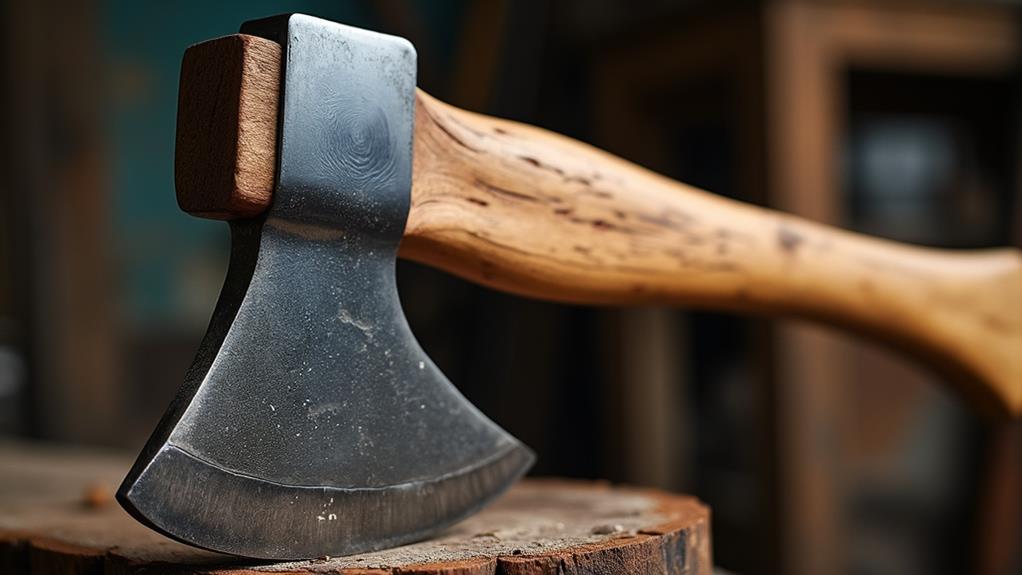
How to Identify and Fix a Loose Axe Head
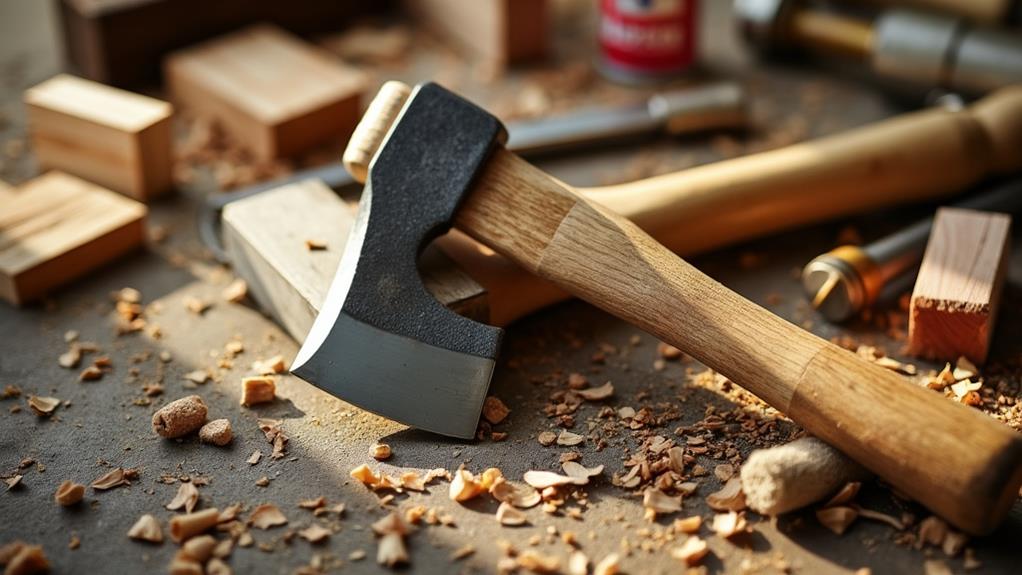
When you notice your axe head wobbles or shifts during use, it's essential to address it promptly to avoid accidents. Start by shaking the axe or applying pressure to see if there's any movement between the head and the handle. If you find it loose, don't worry—there are both temporary and long-term solutions to secure it.
For a quick fix, you can soak the handle in water or use a metal wedge. However, for a lasting repair, you should remove the axe head, properly reseat it, and install a new wedge. Ensuring the repair lasts involves carefully fitting the handle to the axe head and using quality materials for the new wedge.
Causes of Loose Axe Heads
Loose axe heads can be a frustrating and dangerous issue, often caused by several common factors. One major reason is using your axe for tasks it's not designed for, such as chopping roots. This puts undue stress on both the handle and the axe head, causing them to loosen over time.
Another common culprit is low humidity storage conditions. When the wood in your handle dries out, it can shrink, creating gaps between the handle and the axe head. Inadequate tightening of the wooden wedge during the initial assembly is another frequent cause. If the wedge isn't driven in tightly enough, the axe head can eventually work its way loose.
Furthermore, using inferior quality wood for the handle compromises its strength and stability, making it more susceptible to loosening. Over time, wear and tear can also contribute to gaps forming between the handle and the axe head. These gaps can lead to instability, increasing the risk of the axe head detaching during use.
In such cases, you may need to replace the handle entirely to restore the axe's safety and functionality. Understanding these causes helps you maintain a secure and effective tool.
Temporary Fixes
Understanding the causes of loose axe heads is essential, but sometimes you need quick solutions to keep working safely. When your axe head starts to wobble, you can use several temporary fixes to stabilize it. These methods provide short-term stability, but remember, they aren't long-term solutions.
- Soak in Water: Placing the axe handle in water causes the wood to swell, temporarily tightening the fit of the axe head. However, this effect is short-lived as the wood will eventually dry out again.
- Boiled Linseed Oil: Soaking the handle in boiled linseed oil can also swell the wood, creating a tighter fit. While useful, it may complicate future repairs due to the oil's penetration.
- Nails: Inserting thick nails into the handle can expand the wood and improve the grip on the axe head. Be cautious; overuse can cause damage.
- Metal Wedge: Adding a metal wedge at a 45-degree angle can provide temporary stability. This quick fix isn't permanent but can be helpful in a pinch.
- Hardwood Wedge: Hammering in a small hardwood wedge can temporarily secure the axe head, providing a quick and easy solution.
These temporary fixes will keep your axe head secure until you're ready for a more permanent solution.
Long-Term Solutions
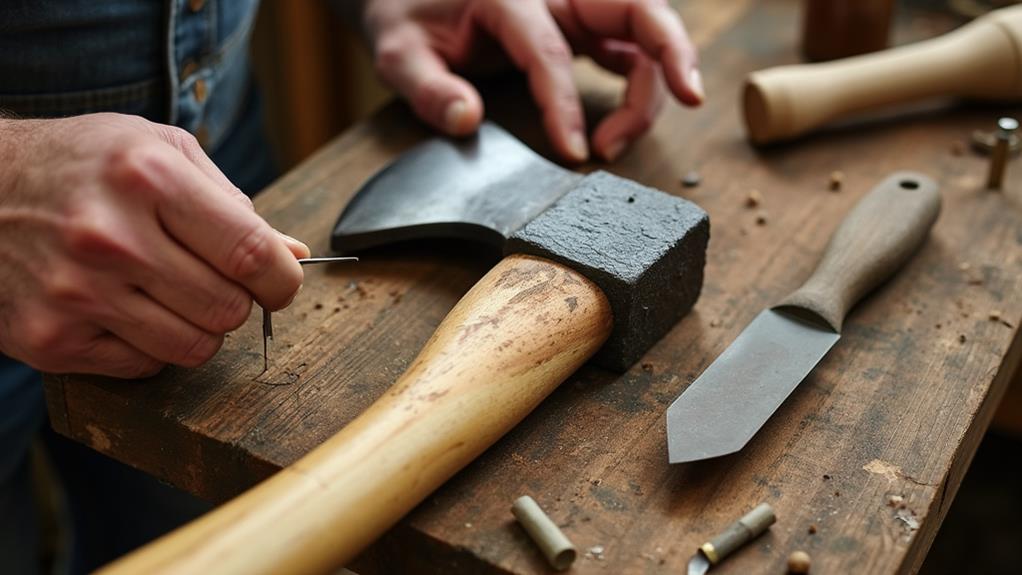
Dealing with a loose axe head requires a long-term solution to ensure safety and durability. The most reliable method is to remove the axe head entirely and reseat it properly. Carefully take off the head without damaging the handle or the axe head.
Once removed, prepare to install a new wooden wedge. A well-fitted wooden wedge is crucial. The kerf (the slot for the wedge) should be about 2/3 the width of the axe head to ensure stability and minimize future loosening.
Before inserting the new wedge, soak the handle in boiled linseed oil for several days. This process swells the wood, enhancing the tightness of the fit, though it shouldn't be relied upon alone. Regular inspections are essential. Check for tightness and signs of wear. If the wedge becomes worn or gaps appear, replace it promptly. This maintenance extends the axe's lifespan and ensures safe usage.
Wedge Installation Techniques
Properly installing the wedge is essential to keep your axe head securely attached. Follow these steps for optimal results:
- Fit the Wooden Wedge: Insert a wooden wedge snugly into the kerf, which should be about 2/3 the width of the axe head. Ensure the kerf is deep enough to provide better stability and minimize the risk of the axe head loosening.
- Coat with Boiled Linseed Oil (BLO): Before installation, coat the wooden wedge with boiled linseed oil to improve the fit and prevent shrinkage over time.
- Add Metal Wedges for Extra Security: After the wooden wedge is in place, insert metal wedges at a 45-degree angle to further lock the axe head and provide additional stability.
- Regular Inspection and Maintenance: Frequently inspect and re-tighten the wedges to maintain the axe's performance and ensure safety.
Key Points:
- Fit the wooden wedge snugly into the kerf.
- The kerf should be about 2/3 the width of the axe head.
- Coat the wooden wedge with boiled linseed oil.
- Insert metal wedges at a 45-degree angle for extra security.
- Regularly inspect and re-tighten wedges for maintenance.
Maintenance Tips
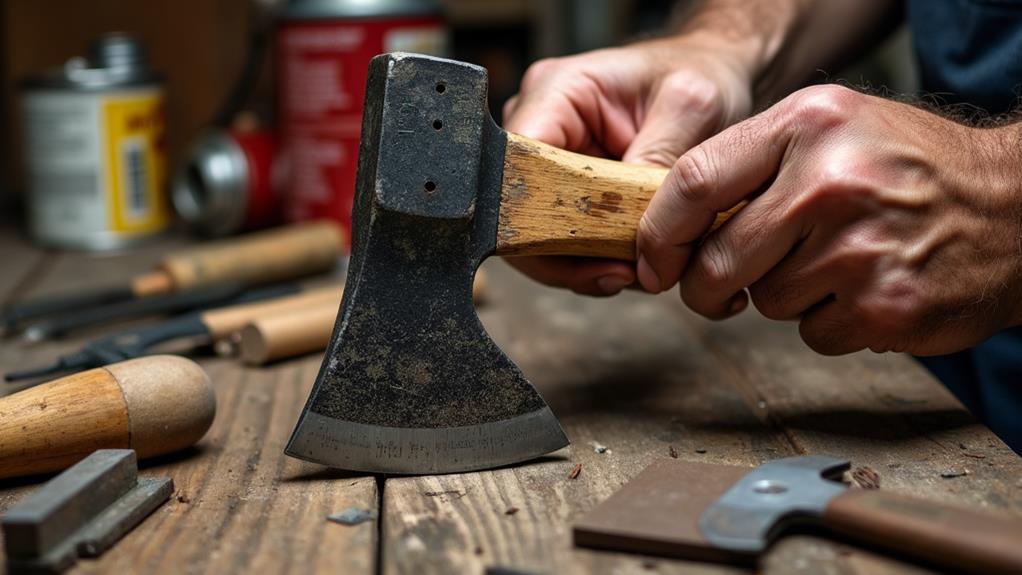
To maintain your axe in optimal condition, regular care is essential. Begin by oiling the handle with boiled linseed oil to preserve its moisture levels and prevent drying, which can cause the head to loosen. An oiled handle not only feels better but also ensures the wood remains in good condition.
Store your axe in a humidity-controlled environment. Excessive dryness can cause the handle to shrink, increasing the risk of the head becoming loose. By controlling humidity, you help keep the wood stable and secure.
Regularly inspect the axe head for signs of looseness or wear. Early detection allows you to address issues promptly, ensuring safety and performance. If you notice instability, take immediate action to fix it. Use your axe only for its intended tasks. Misuse can damage the tool and cause the head to become unstable.
If the handle shows significant wear, replace it with a high-quality hardwood option. A well-fitted handle enhances durability and ensures a secure fit for the head. Consistent maintenance keeps your axe safe and efficient.
Conclusion
In summary, ensuring the axe head is securely attached to the handle is crucial for both safety and efficiency. Regularly inspect your axe for any signs of movement between the head and handle. For a quick temporary fix, soak the handle in water or use a metal wedge. For a more durable solution, reseat the axe head and install a new wooden wedge, securing it with boiled linseed oil. Consistent maintenance and proper techniques will ensure your axe remains reliable and safe for years to come.